St. Peter’s Church of Galilee
“Church of the Fishermen”
Built on sand close by the water’s edge, the St. Peter’s Church of Galilee was dedicated in August 1873. Classic images of the majestic house of worship and Galilee fishermen doing their trade in the sandy beach foreground is iconic Monmouth Beach.
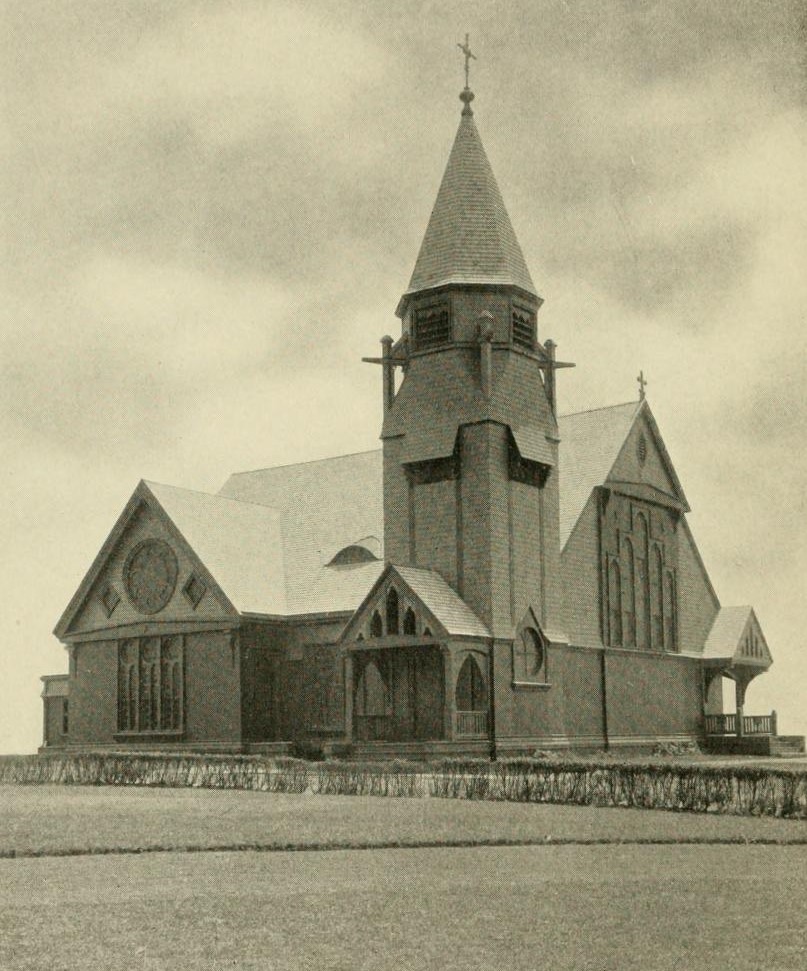
St. Peter’s Church in Galilee
Situated on the east side of Ocean Avenue — designed by Peabody & Stearns — construction of the dark green-shingle church cost $8,000. It was known locally as “Riker’s Church” after the John L. Riker family, who were chemical industry titans and owners of adjacent property. The wealthy Teese, Keasbey, and Dodd families also were major church benefactors.
It was named for St. Peter, one of the 12 Apostles of Jesus and the Catholic Church’s First Pope. He was also the “Patron Saint of Fisherman.” Open only during “15 summer weeks,” the seashore church played host to many “high-society” weddings (including family of former NJ Gov. Christine Whitman, her maternal grandparents, Reeve and Kate Prentice Schley, were married there in September 1907).
Two churches were built in Galilee, according to a August 1949 Long Branch Daily Record story. The first in 1873 built on the eastside of Ocean Avenue “proved to be too small and gave way in 1881” to the second structure that lasted about 75 years. There no known images of the first church.
Some of the “leading clergymen of the country” gave “services always of an interesting variety” at the seaside church. The Right Rev. Ethelbert Talbot, a presiding bishop of the Episcopal Church, gave services at St. Peter’s in 1914.
Frequently under assault from major storms (a bolt of lightning struck the steeple during an August 1902 service), for protection the large wooden Gothic church was moved to the westside of Ocean Avenue (to a spot north of today’s MB Cultural Center) in May 1933 by Long Branch contractor H.E. Kirby. The church, which had a magnificent pipe organ (Dr. Theodore W. Moses was the organist for over 30 years), had no fixed clergy. All religious services were discontinued in 1941 due to the world war.
Broadway theatrical man and play-write, Clinton P. King, acquired the property in 1947. King, a Rutgers and Yale School of Drama grad, liked to play the church pipe organ at night. During late-1949, borough officials rejected his plans to use the church as a summer theater several times — his 375-seat “Galilee Playhouse” would have opened July 4, 1950. The vacant Episcopal house of worship was burned to the ground in a spectacular May 1955 fire, as strong east winds from the ocean fed the flames.

Old Time Religion — St. Peter’s Church of Galilee on Ocean Avenue, 1900.

By the Sea — St. Peter’s Church of Galilee, 1930s.
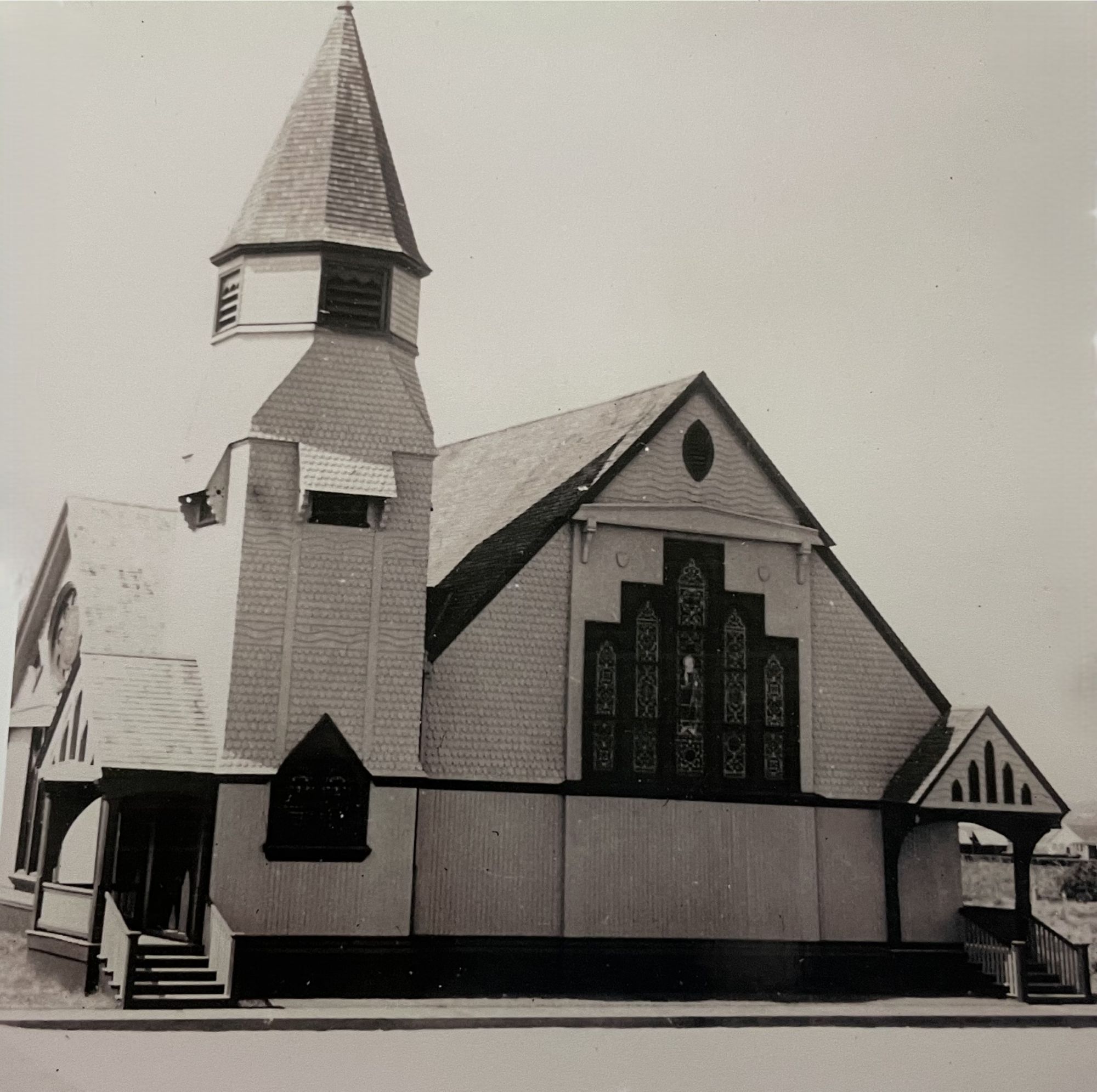
St. Peter’s Church of Galilee on Ocean Avenue, 1950s.

Beach at Galilee, 1920s. (Jack Flaherty Photo).
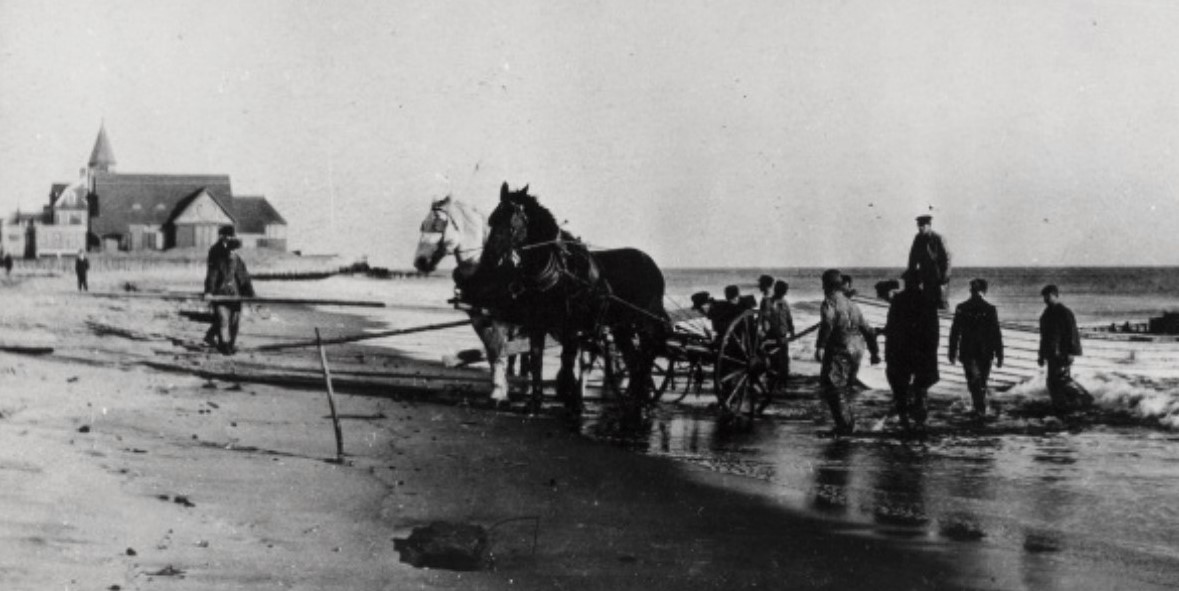
St. Peter’s Church and Galilee fishermen and horses hauling in the day’s catch, 1920s.

Ocean Avenue looking north, 1938. After the St. Peter’s Church was moved across Ocean Avenue.

St. Peter’s Church of Galilee, 1930s. Prior to its move in 1933.
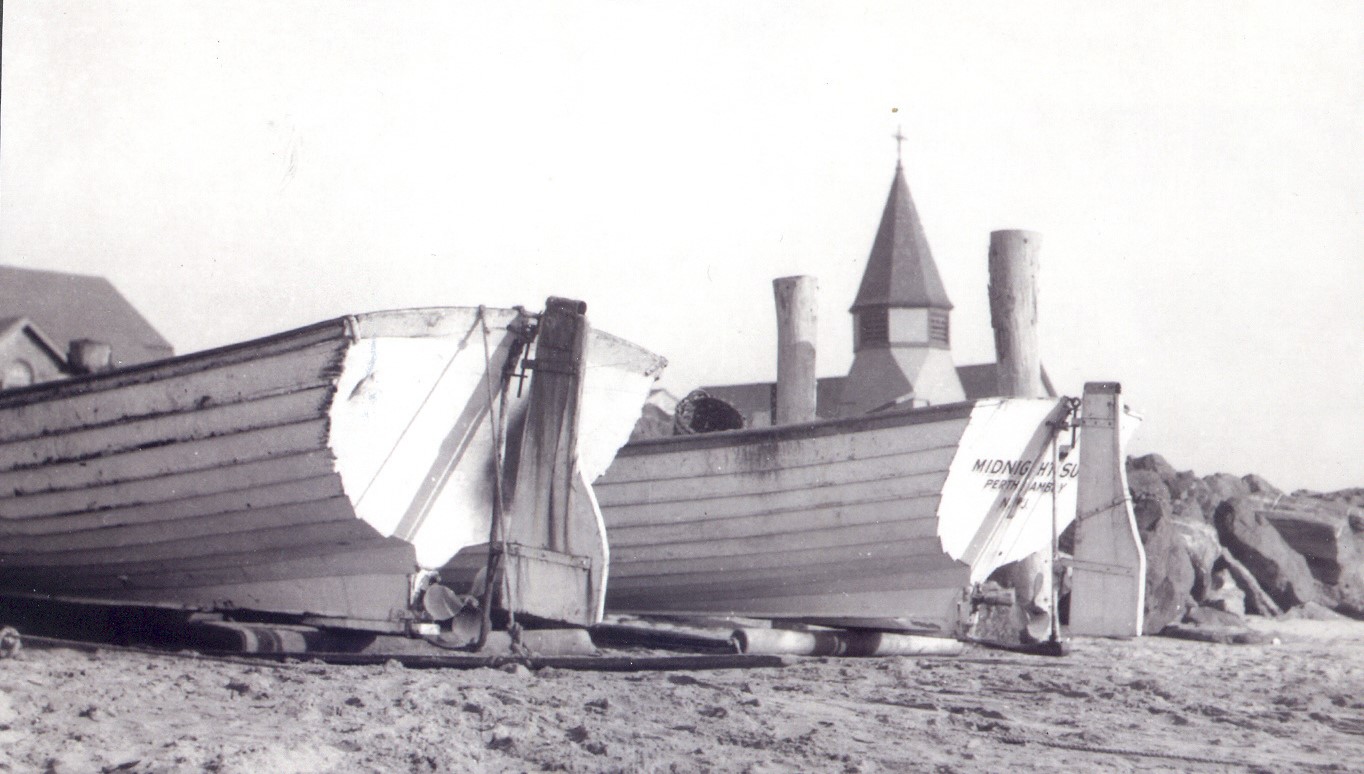
Church Background — Large pound boats at Galilee, 1930s.
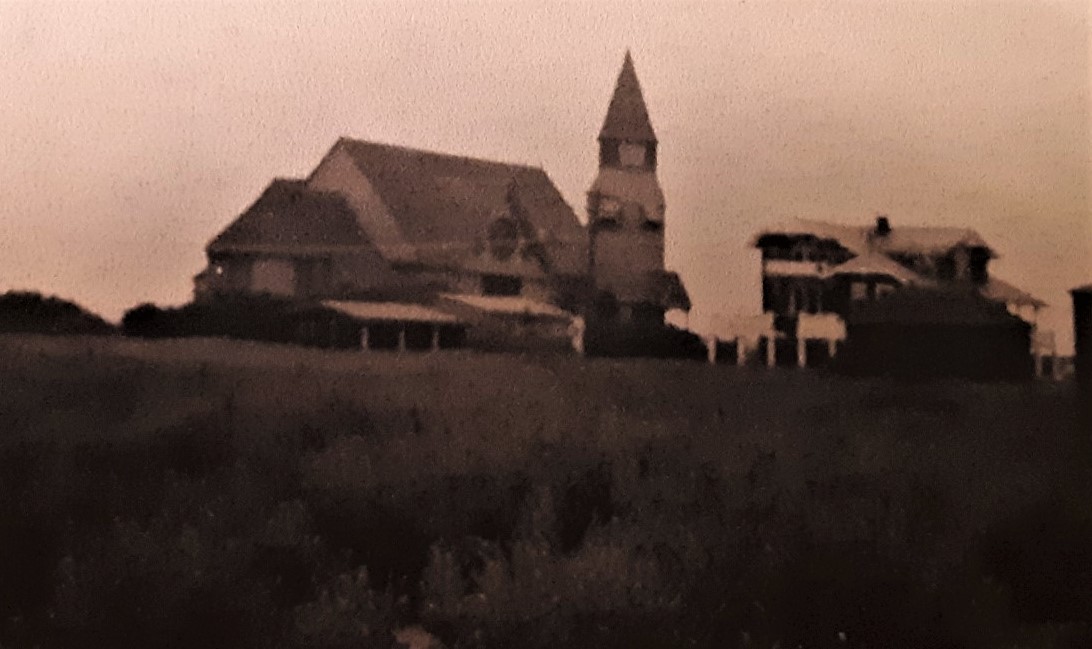
St. Peter’s Church of Galilee, 1920s.
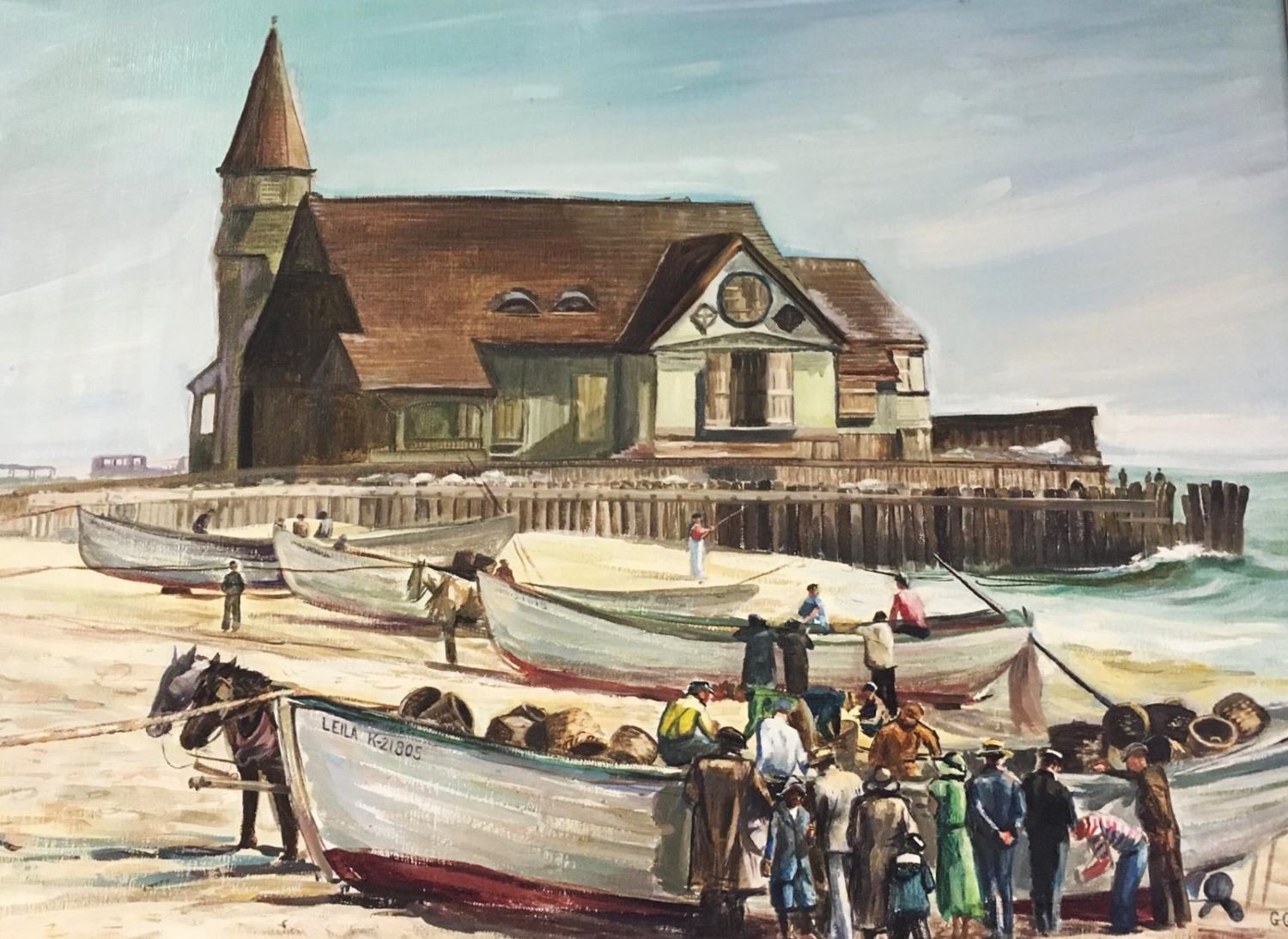
St. Peter’s Church of Galilee, 1930s. Gail Gannon painting.
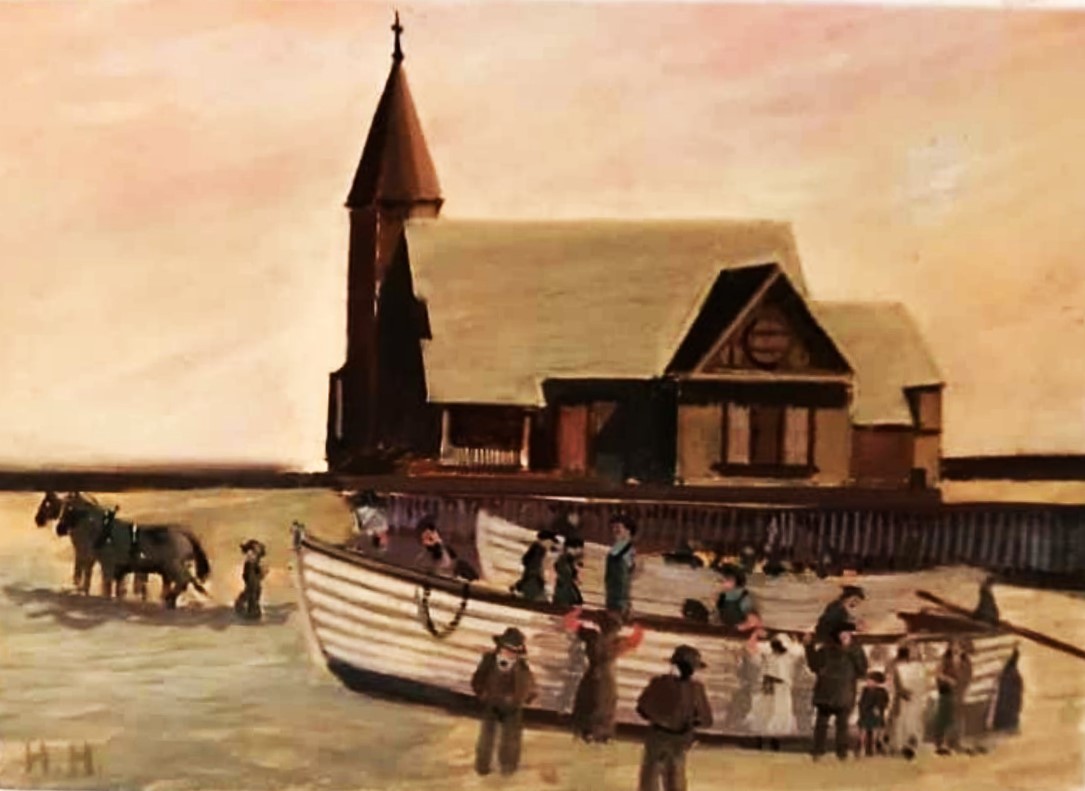
St. Peter’s Church of Galilee, 1920s, Harry Haddon painting.

St. Peter’s Church of Galilee, 1925. “A large green building with a towering belfry” — according to the August 1949 Long Branch Daily Record.
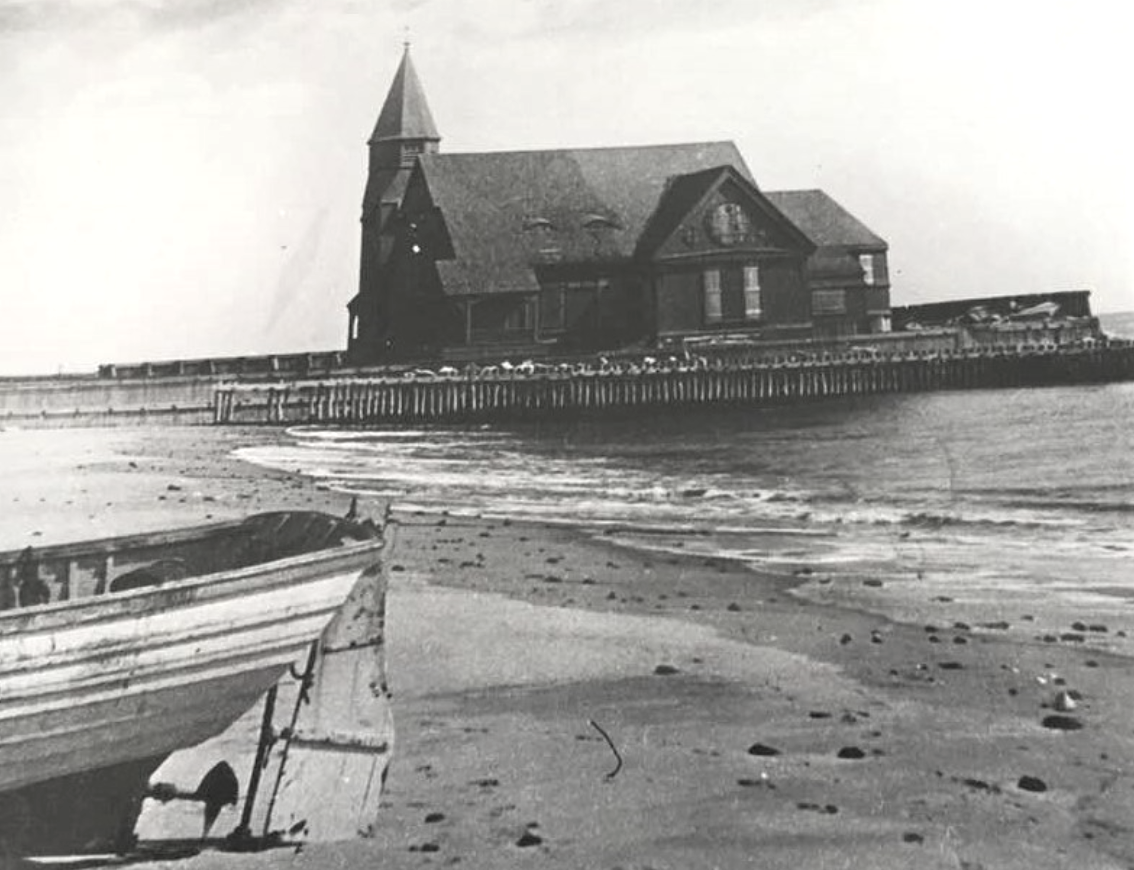
St. Peter’s Church of Galilee, 1920s.
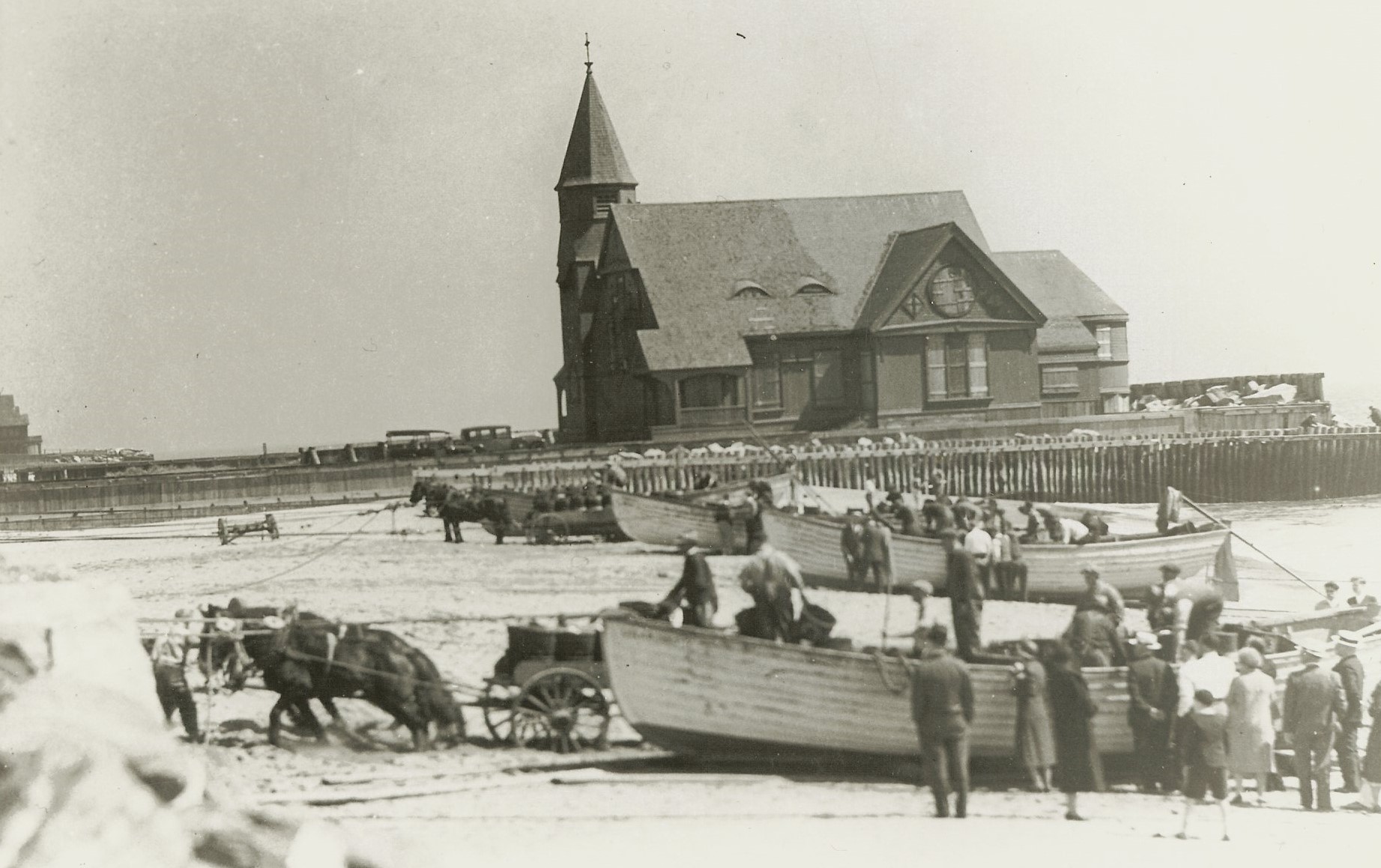
St. Peter’s Church, 1920. People line-up to buy fish from pound boats on beach in Galilee, 1930s.
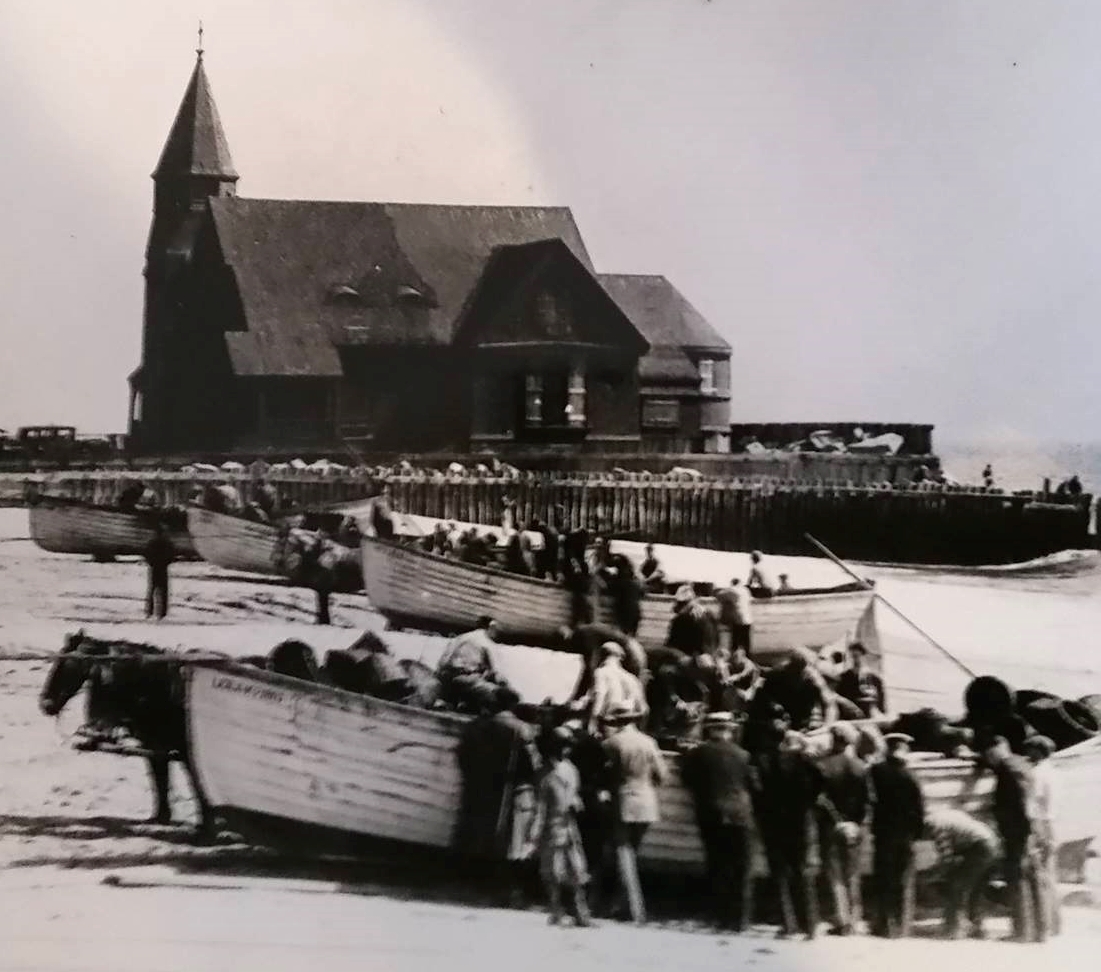
More fish buying from the boats near the oceanfront house of worship, 1920s.
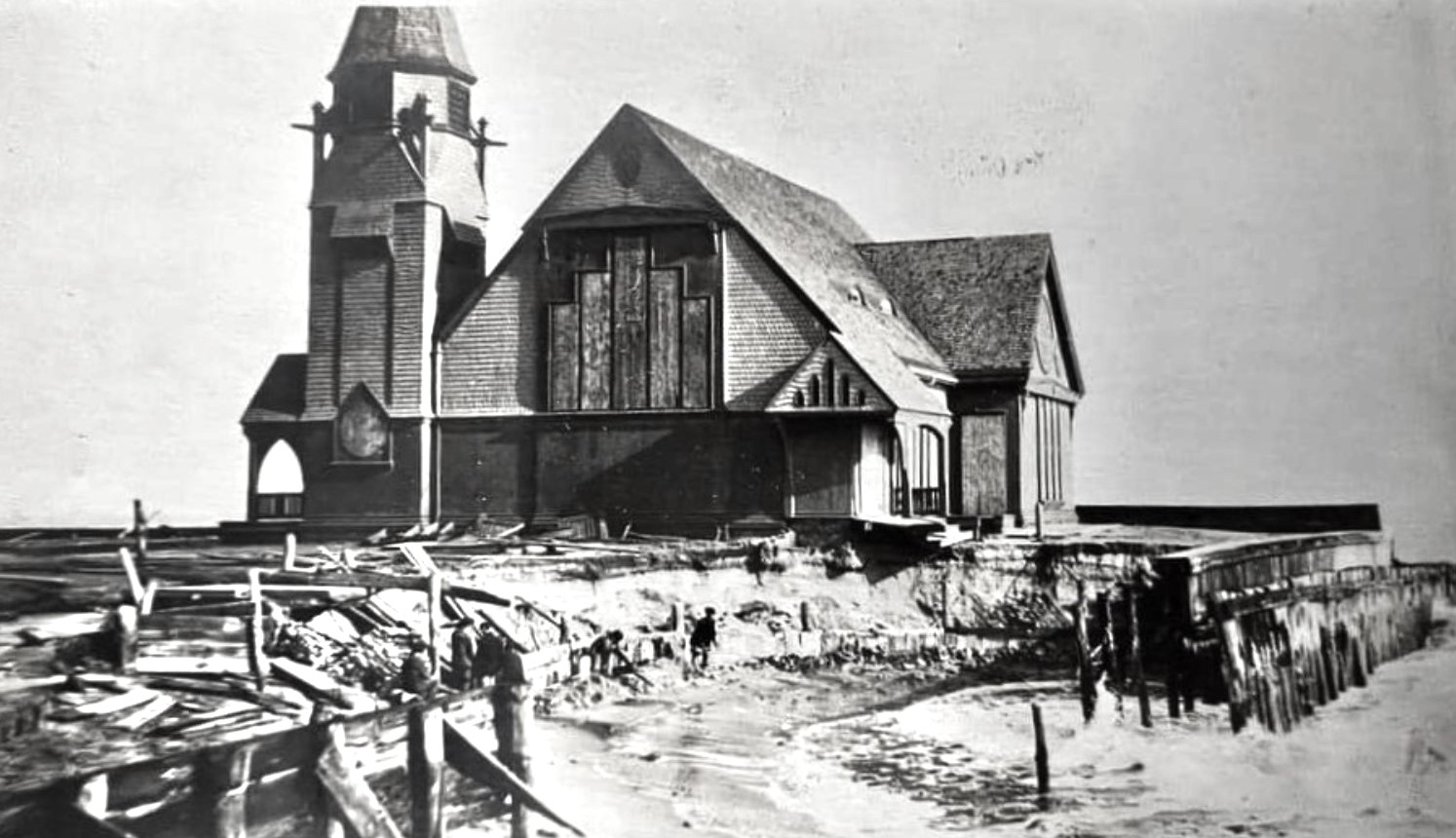
St. Peter’s Church of Galilee after a series of major storms, January 1914.
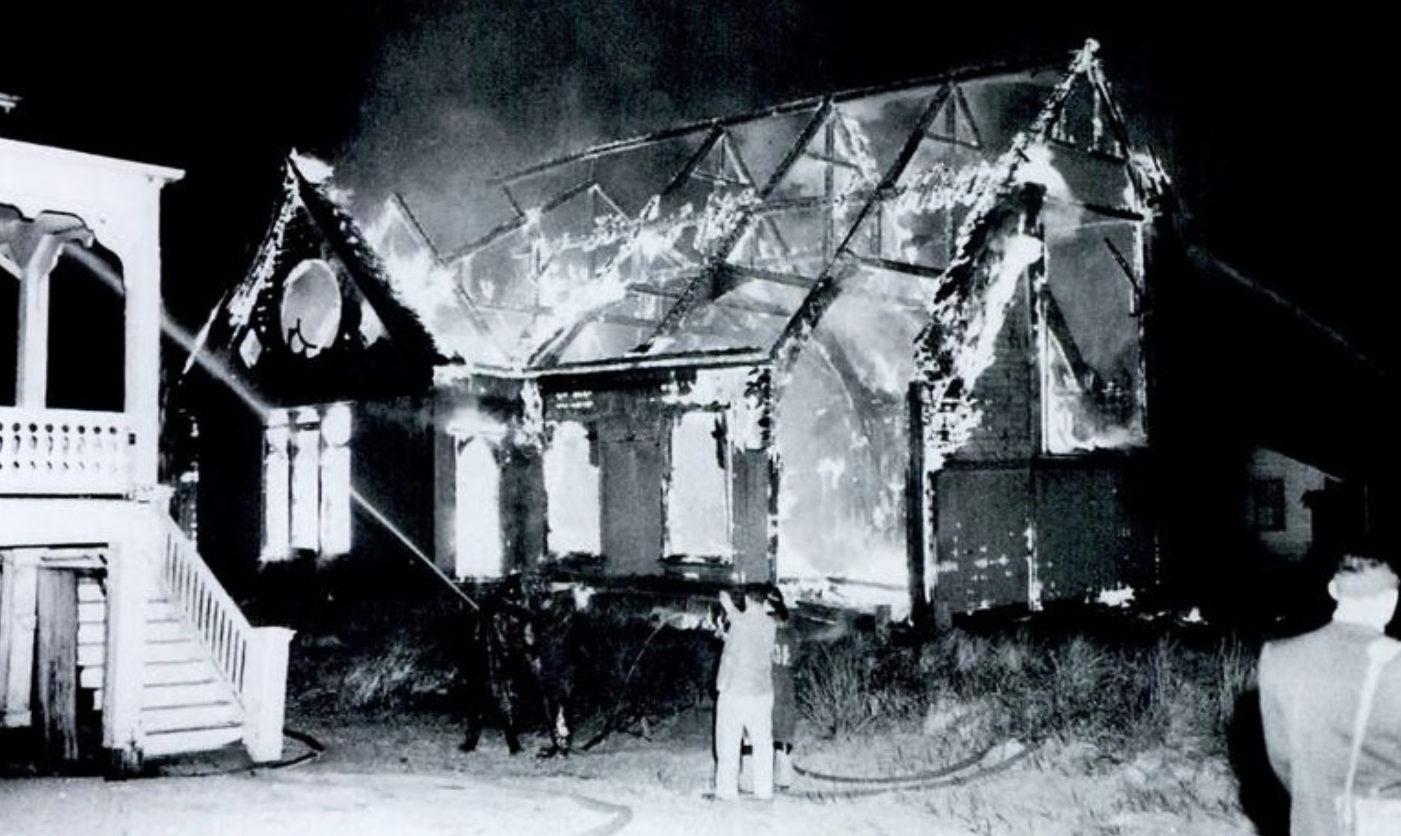
St. Peter’s Church fire, May 1955.

St. Peter’s Church fire, May 1955.
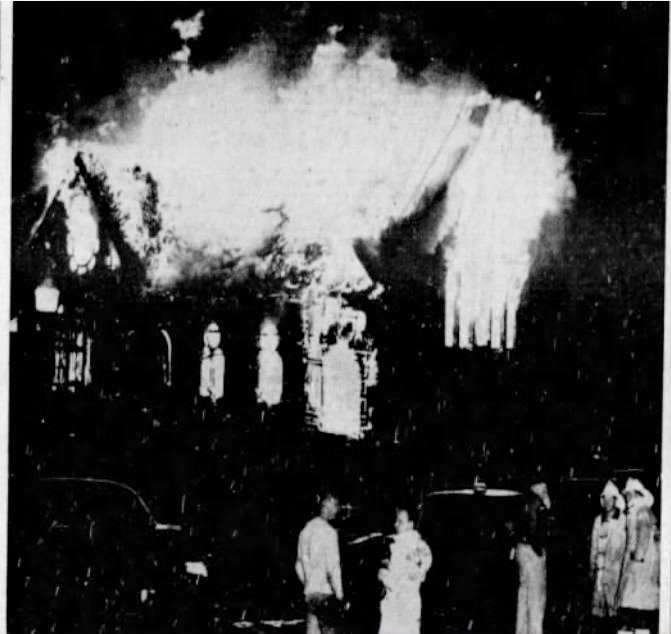
St. Peter’s Church of Galilee on fire, 1955.
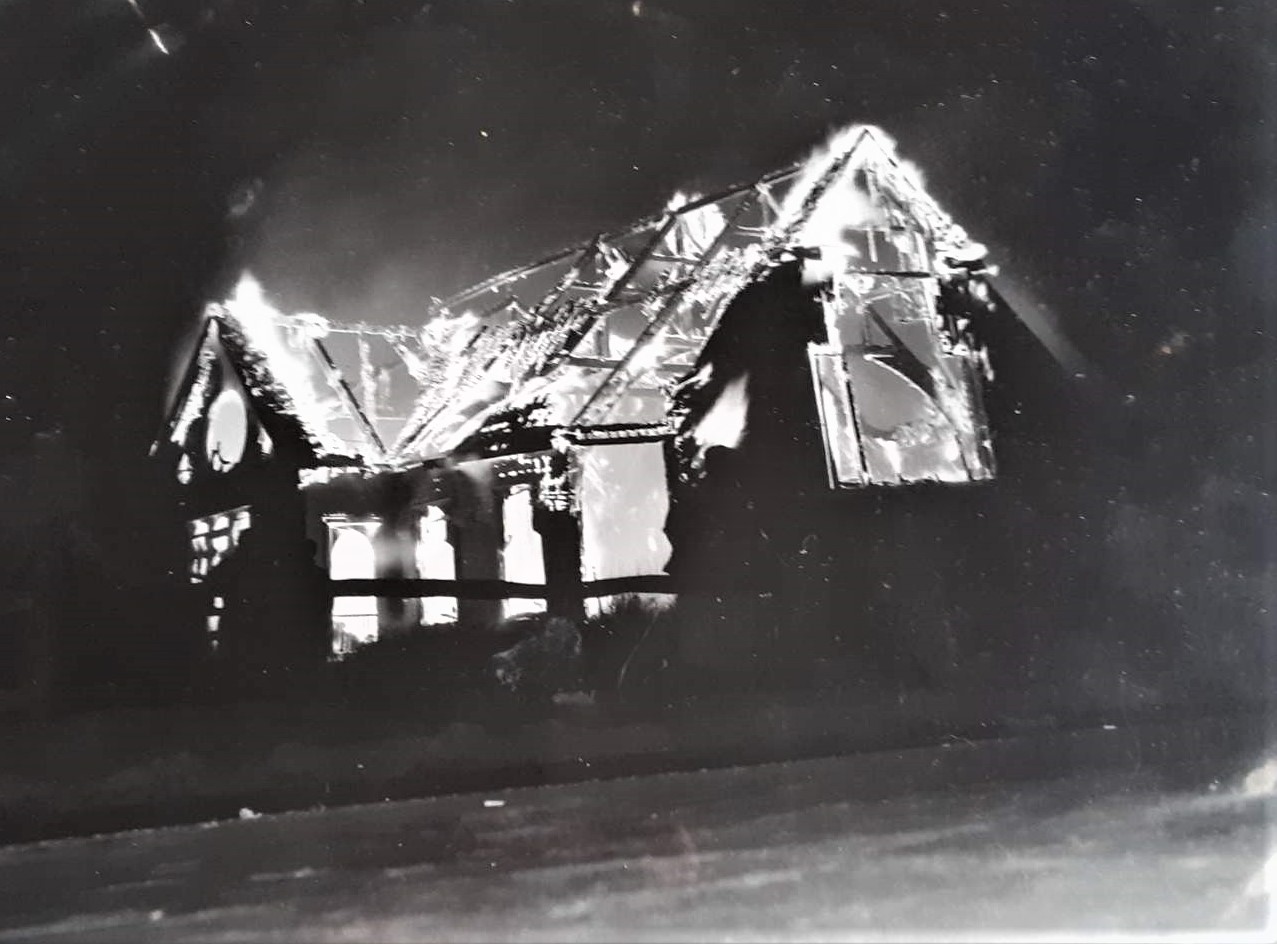
St. Peter’s Church of Galilee on fire, May 1955.

Hot Stuff — St. Peter’s Church of Galilee on fire, May 1955.

St. Peter’s Church of Galilee on fire, May 1955.
St. Peter’s Church of Galilee on fire, May 1955.
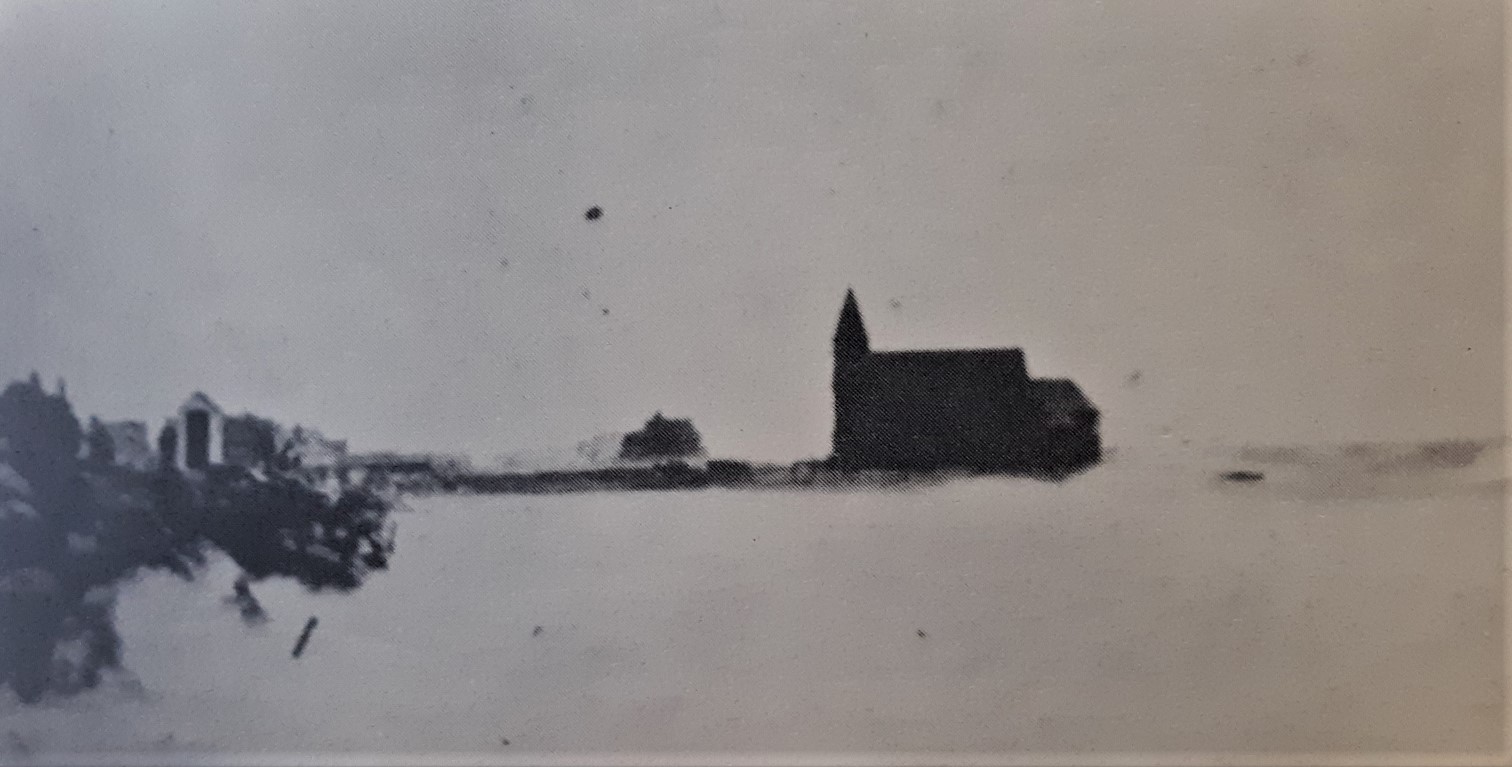
Storm tides surround St. Peter’s Church of Galilee, 1931.
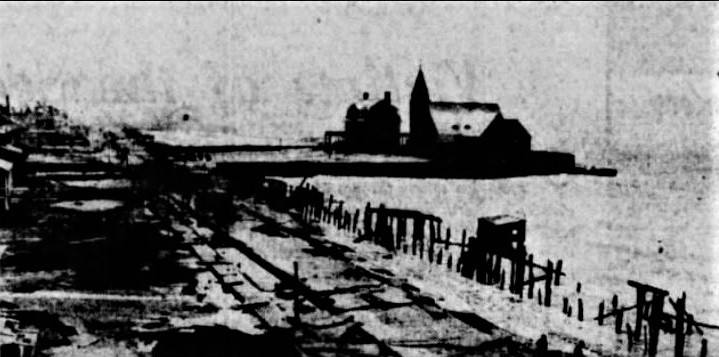
St. Peter’s Church of Galilee, early 1930s.
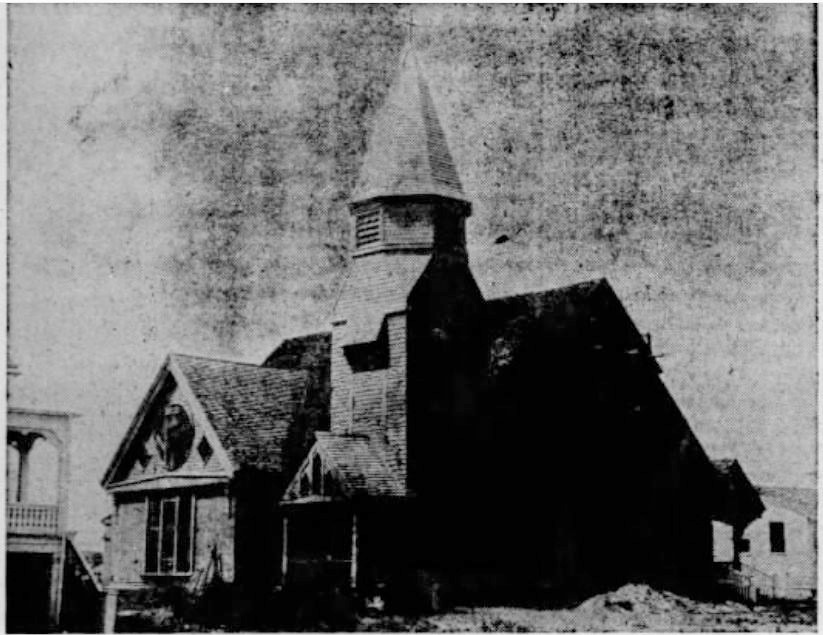
St. Peter’s Church of Galilee , 1949.

St. Peter’s Church of Galilee being moved across Ocean Avenue, 1937.

“Vast Plan” — St. Peter’s Church plan? Long Branch Daily Record, August 1949.

Ocean to River — The St. Peter’s Church is moved. Long Branch Daily Record, May 1933.