Memorable House, Memorable Families
Toy King … Confederate Yankee … Knighted Doctor … Master Pattern Maker all under one roof —
—
If you’re even moderately familiar with Monmouth Beach history, you will recall the majestic old seashore mansions that once lined Ocean Avenue in town. Their footprints were memorable. As to the occupants of those massive cottages, they appear to be just as grand.
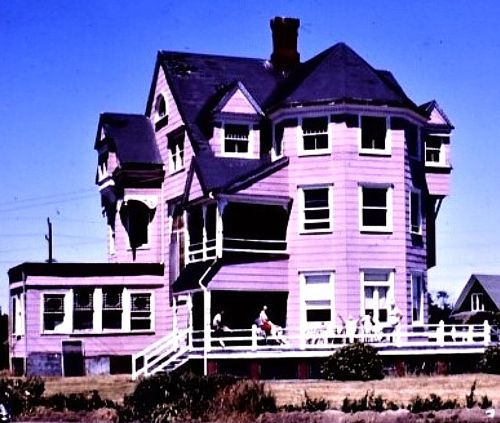
One dwelling that still stands (32 Ocean Avenue) was home to several remarkable families — folks whose lives are worth remembering. Built on a road once known as “Millionaire’s Row” — where architectural grandiosity thrived — its elite inhabitants are all gone but the house still stands.
Doll House
The structure can trace its roots back to official Monmouth Beach development in the late 19th century. In November 1884, Edward I. Horsman bought an oceanfront lot in Monmouth Beach from Edward A. Walton paying $3,000. Considered a “Pioneer Summer Resident,” the fabulously wealthy Walton also owned several large lots all over the exclusive seashore settlement. He built the town’s first massive cottage on Ocean Avenue in 1872. Located just south of where today’s MB Club stands, it burned in 1911.
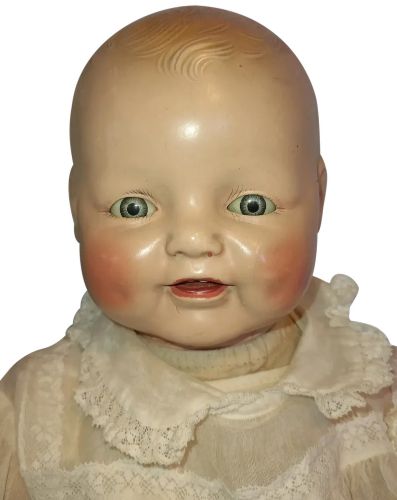
Vintage Horsman “Dimples Doll,” 1924.
By 1889 Horsman had constructed his own large cottage on the property at Ocean Avenue and Surf Road. He had founded the E.I. Horsman Company in NYC in 1865 and made it into one of the country’s largest toy makers. His “Horsman Dolls” still sell today. Brooklyn-born in 1843, upon his death in May 1927 his New York Times obit labeled him “dean of the toy business in the United States.”
The company went on after his death — by the 1950s it was manufacturing 12,000 dolls a day at its Trenton factory. The company gained a reputation for innovation, hiring professional artists and sculptors to design doll faces and clothing. Horsman would make the first “unbreakable” doll head in the USA. Sadly, his son, Edward, Jr. — who often stayed in Monmouth Beach — died at age 44 in July 1918. A vice president at his dad’s company, he was also a musician.
“Owning a home means crafting your own personal masterpiece.”
—Ezra Pound
Richmond to Jersey Shore
John McAnerney — a man who cut quite the dashing figure — acquired the property as the 19th century was ending. Among the many hats he wore in life were: Confederate States of America army colonel (at age 25), NYC business tycoon (as a railroad president and bank president), and Catholic civic leader (he served as treasurer for St. Patrick’s Cathedral in Manhattan).
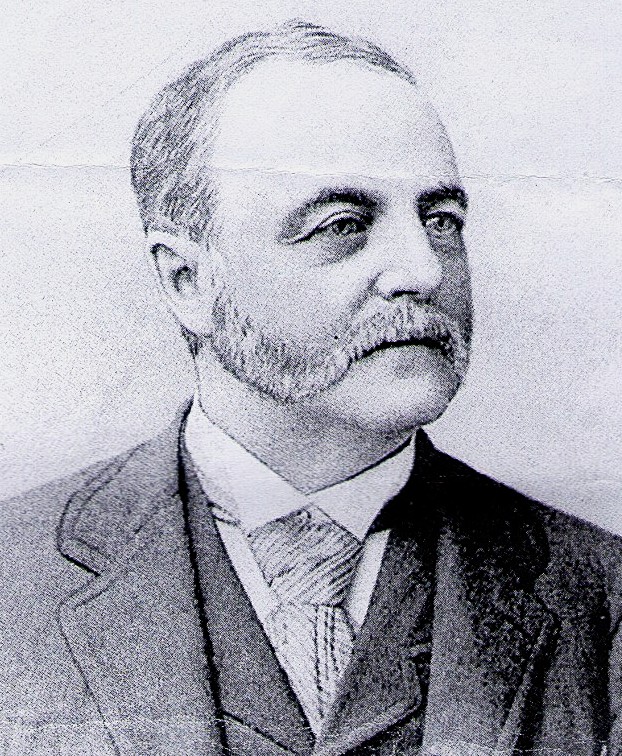
John McAnerney
Born in Providence, RI in 1838, he moved to South Carolina as a young man. Family members said he came to love the south (although he never held any slaves and opposed secession) and yet when war between the states erupted in 1861 he joined the Confederate cause. With remarkable fighting spirit too.
So much that the ultimate Confederate leaders, General Robert E. Lee and President Jefferson Davis, both conferred on him the title “Savoir of Richmond” for his ardent defense of the Southern capitol from Union troops in March 1865 (during the “Dahlgren Raid” in which he was wounded). Richmond fell the following month when the war ended. Interestingly, McAnerney’s southern tutor was John S. Preston — a real deal rebel. And one of South Carolina’s leading figures too. His life — rich plantation owner, prominent lawyer and Confederate general — was textbook antebellum Southern aristocrat.
After the fighting, McAnerney married a prominent Richmond family belle and moved back east. Based in NYC (he also owned a mansion on 49th Street in Manhattan that was later torn down to build Rockefeller Center), the couple would produce 11 children. By Summer 1908, he was known as the “millionaire cottager of Monmouth Beach,” according to the Long Branch Daily Record. He sold the property in 1921 and died in March 1928 at age 89.
Caruso’s Doctor
In the early 1920s, the house became the property of Dr. Antonio Stella. Considered a “world famous” physician in his prime; he was an international expert on tuberculosis (TB) care. A serious contagious bacterial infection, TB was then the leading cause of US deaths — taking nearly 82,000 American lives annually by 1910.
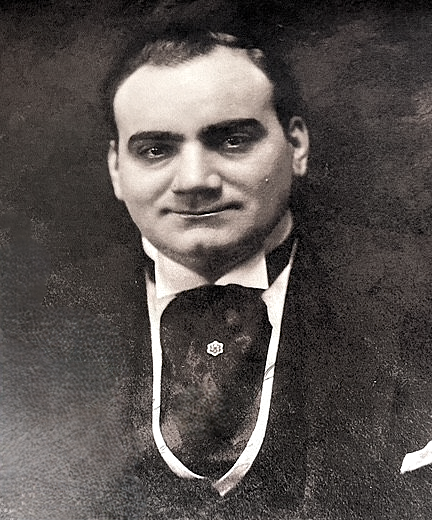
Enrico Caruso
Born at Muro Lucano, Italy in August 1868, Stella earned his MD from the Royal University of Naples in 1893 and emigrated to America the following year. He maintained a busy NYC practice and was the personal physician to Enrico Caruso, the great tenor from Italy who died in 1921. A signed image of the singer — whose voice could bring the notorious gangster Al Capone to tears — hung in the Stella house for years. Dr. Stella was a founder and VP of the Caruso American Memorial Foundation.
In 1914 Dr. Stella was made an Italian Knight (or “Chevalier of the Crown”), decorated by the King of Italy, Victor Emmanuel III. The doctor was instrumental in bringing his five brothers to America. Three were accomplished immigrants like he — Joseph, a famous modern painter; Nicola, a pharmacist; and Giovanni, who followed his brother into medical practice.
Upon his death in July 1927, Dr. Stella left the house to his brother, Nicola, who died in 1949. The family continued to hold the property for another decade. This was the time when the house took on its pink exterior and its elaborate porches were removed.
Italian Pride
In May 1960, Dominic Gallello acquired the property paying $13,500. Born in Gagliato, Italy in 1914, he came to the USA in 1937 and lived the American dream for real. He served his new country with honor in the US Army during World War II (mostly as an interpreter in Europe) from 1942 to 1945 (the year he gained US citizenship). For his bravery, he was a awarded a Purple Heart and three Bronze Star decorations.
Combining art and effort in clothing, he would become a master pattern maker for Christian Dior (he, the French clothing designer and founder of one of the world’s top fashion houses) in Manhattan. Dom had learned the trade working (sewing US Naval Academy uniforms) with his father, Nicola, a NYC tailor since 1914. Over the years, Dominic worked for several top fashion firms: St. Gillian, House of Branell, Pedestal, Bern Conrad and AJ Bari.
Dom and his wife, Elena (she died in 2011) raised three sons (Claude, Carlo and Dominic, Jr.) in town. In May 1989, the house was sold to Fakhry Zarour for $465,000. Dom died in June 2000 at age 85. In June 2005, the property was sold for nearly $2.8 million to Simon Zarour. The house has undergone some offbeat alterations over the years and stills stands at the beach.
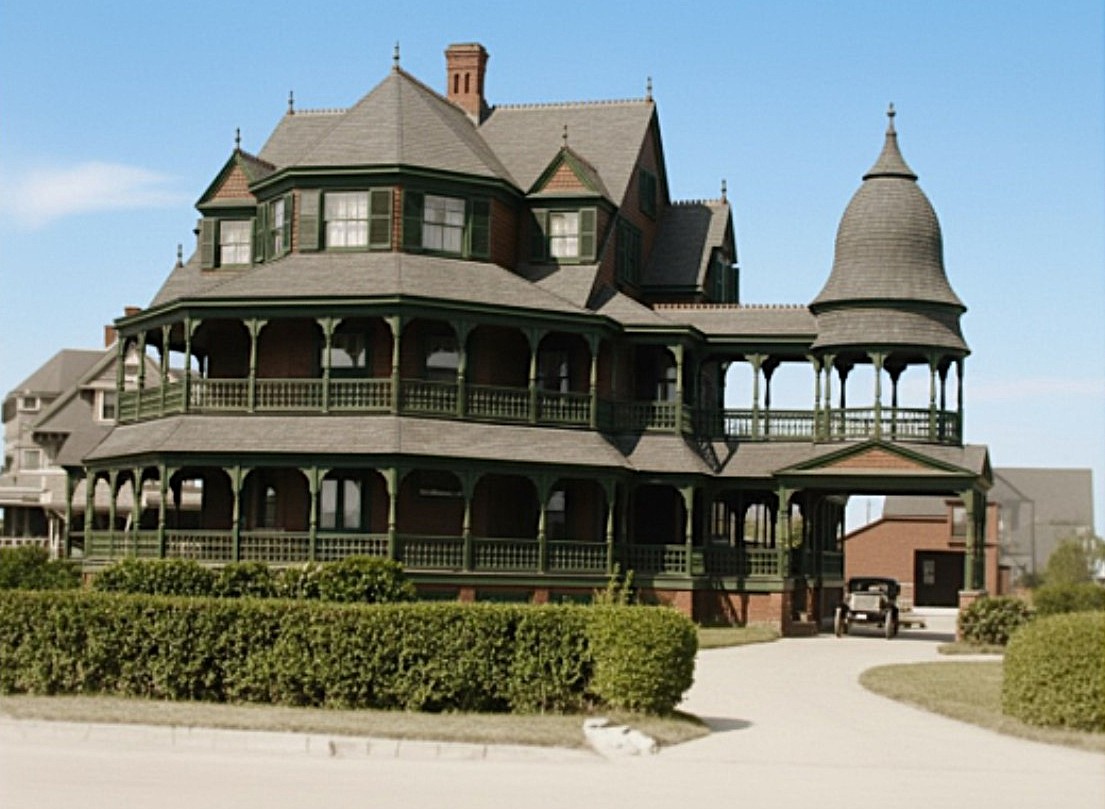
Color — 32 Ocean Avenue, early 1900s.
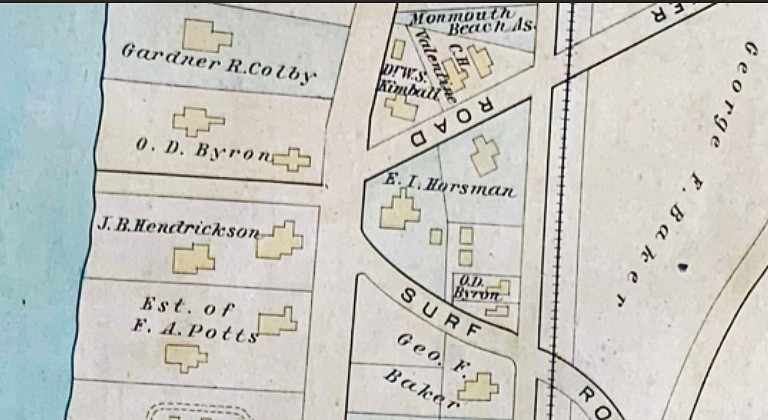
Horsman property on Ocean Avenue, Wolverton Atlas of Monmouth Beach, NJ, 1889.
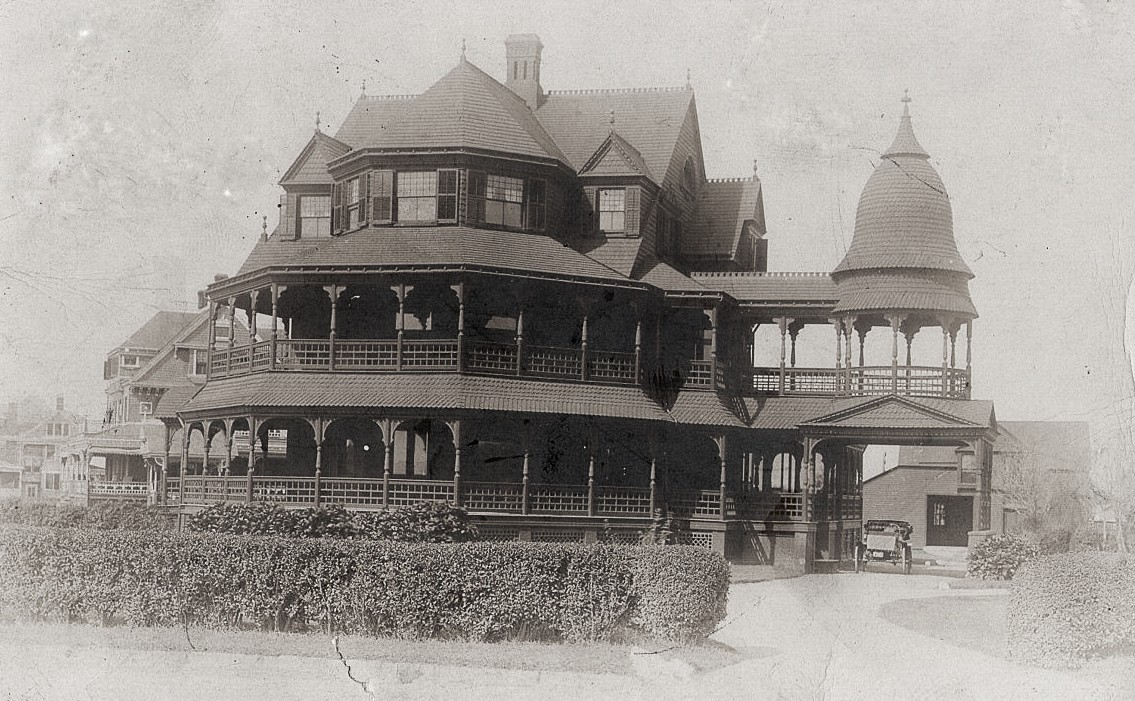
B&W — 32 Ocean Avenue, early 1900s.
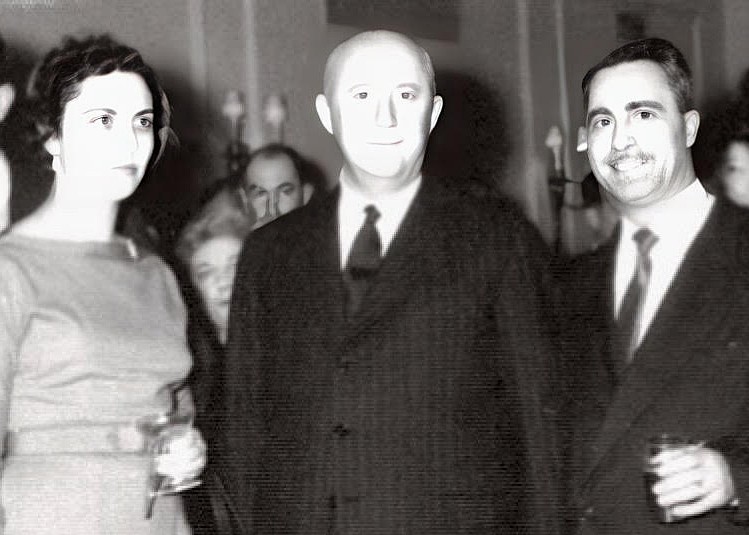
Style King — Christian Dior (c) with Elena and Dominic Gallello, 1950s. Dior, an artist who revolutionized post-WWII fashion, was born on the Normandy, France seashore; he died in October 1957. His father, Maurice Dior, had made his fortune selling fertilizer.
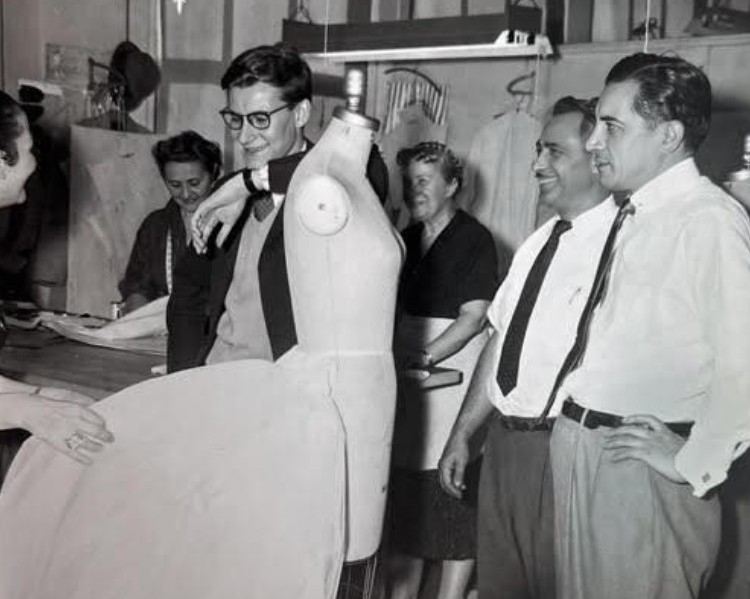
Classic Clothier — Yves Saint Laurent (c) with Dom looking on in NYC, 1950s. After Dior’s death, Saint Laurent became head designer for the House of Dior at age 21.
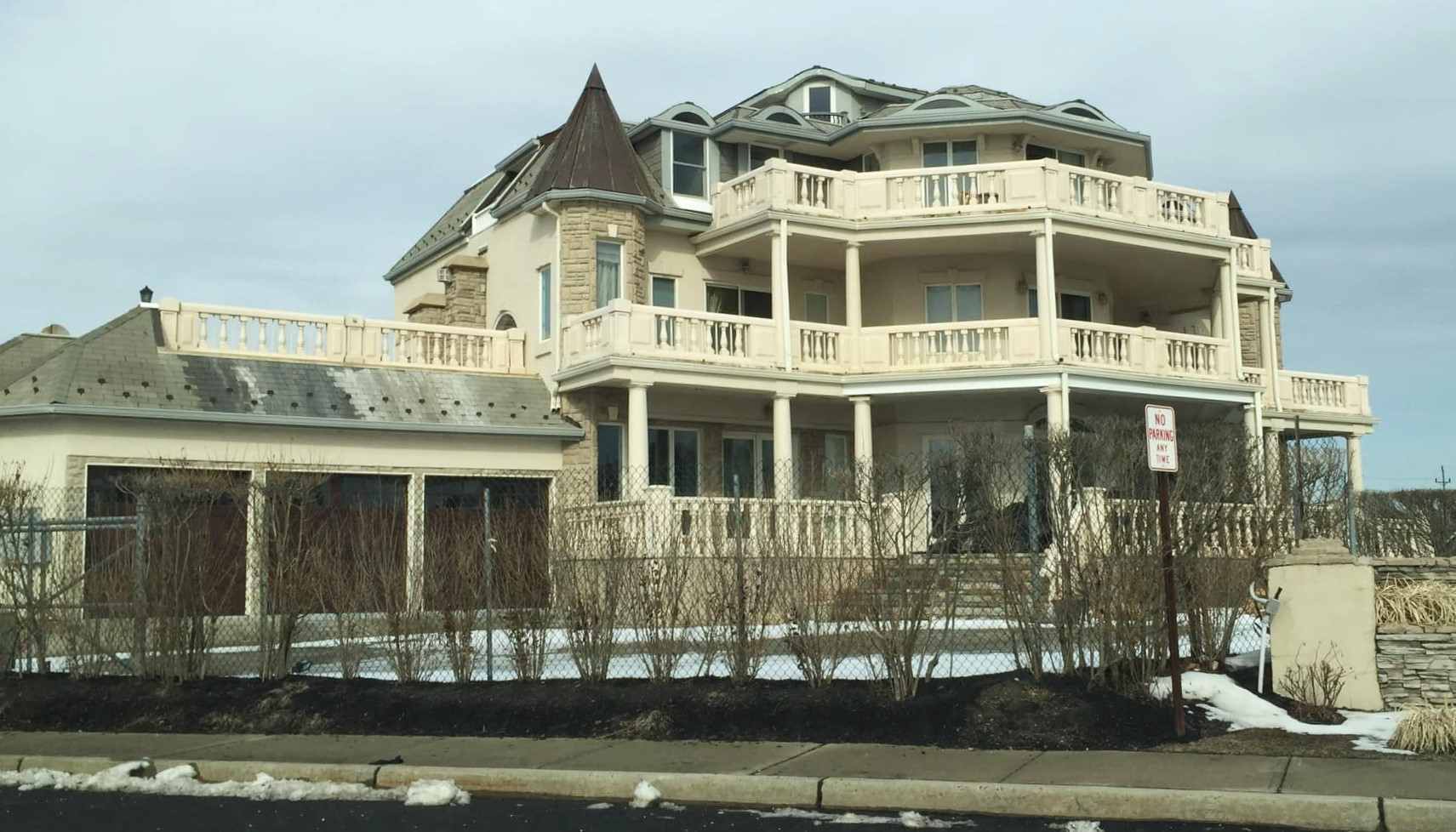
32 Ocean Avenue — present day.
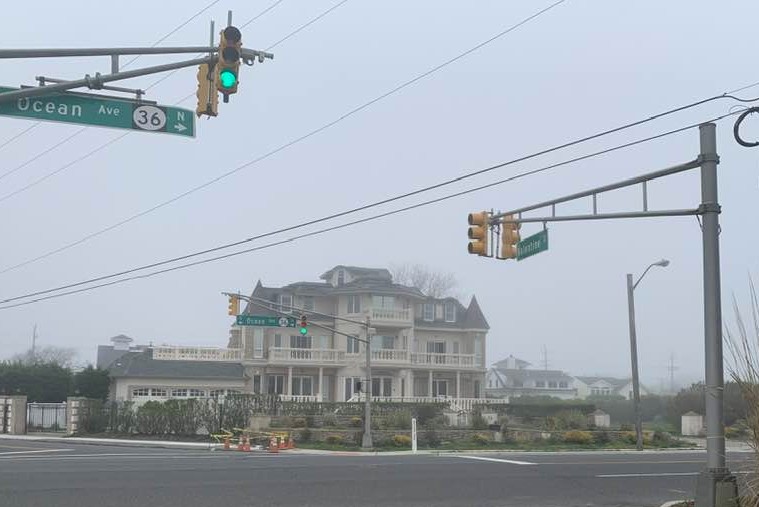
32 Ocean Avenue — present day.
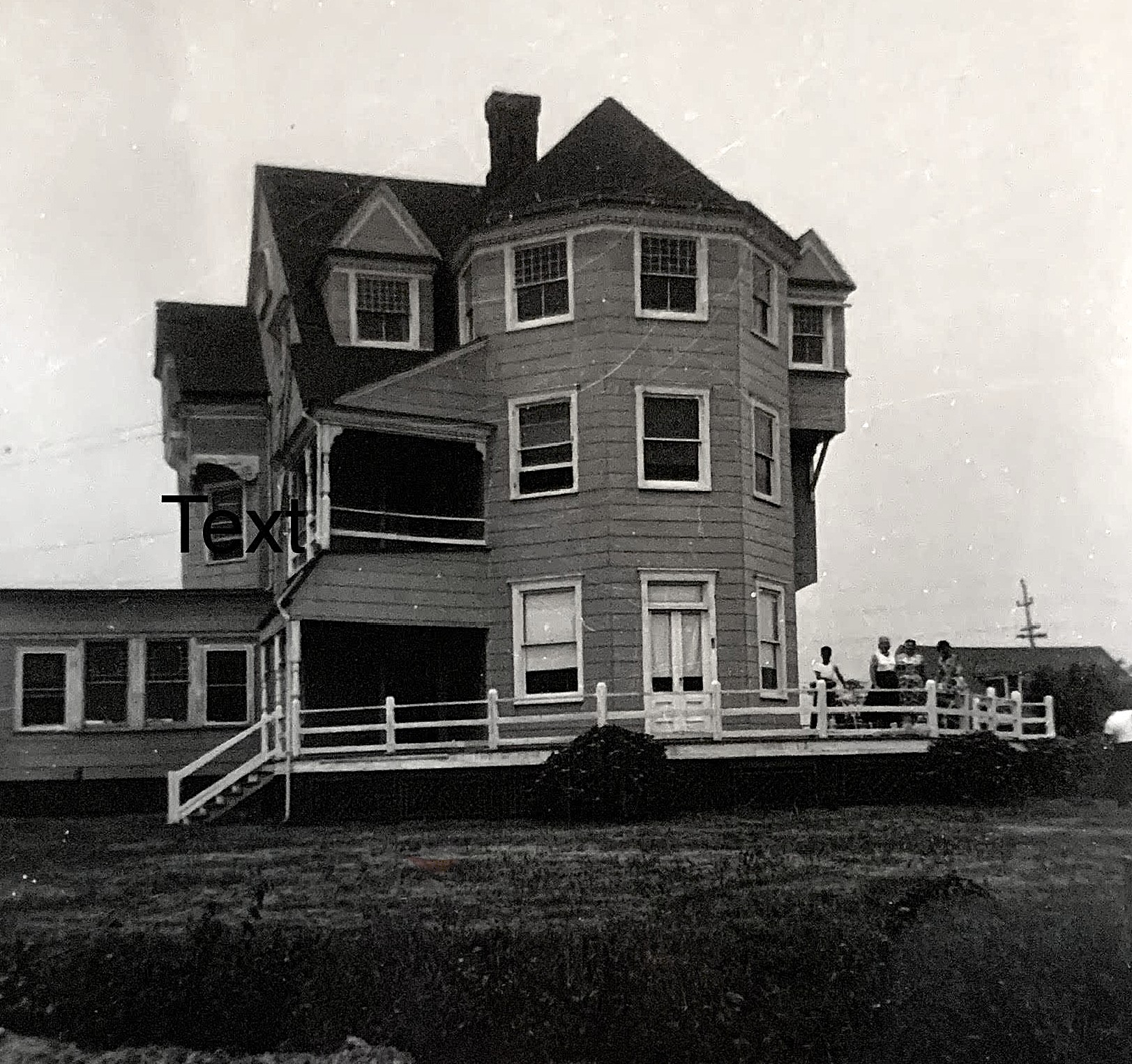
32 Ocean Avenue, 1970s.
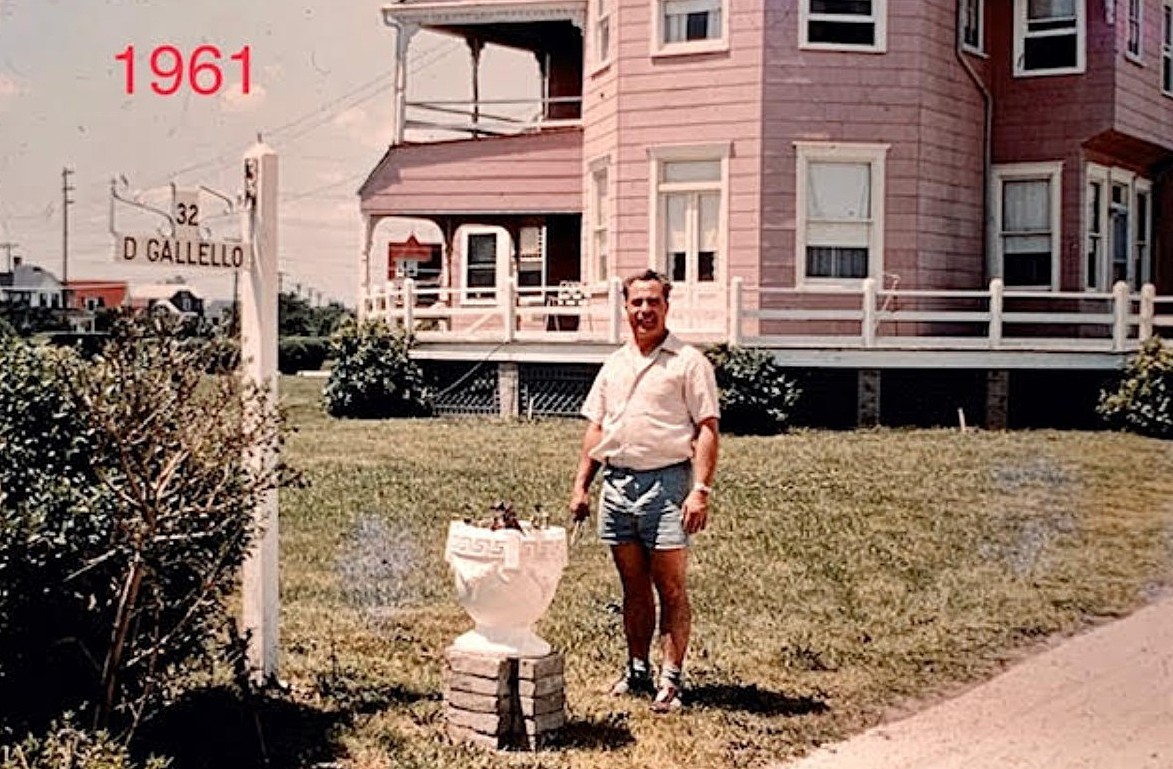
Dom Gallello at his Ocean Avenue, 1961.
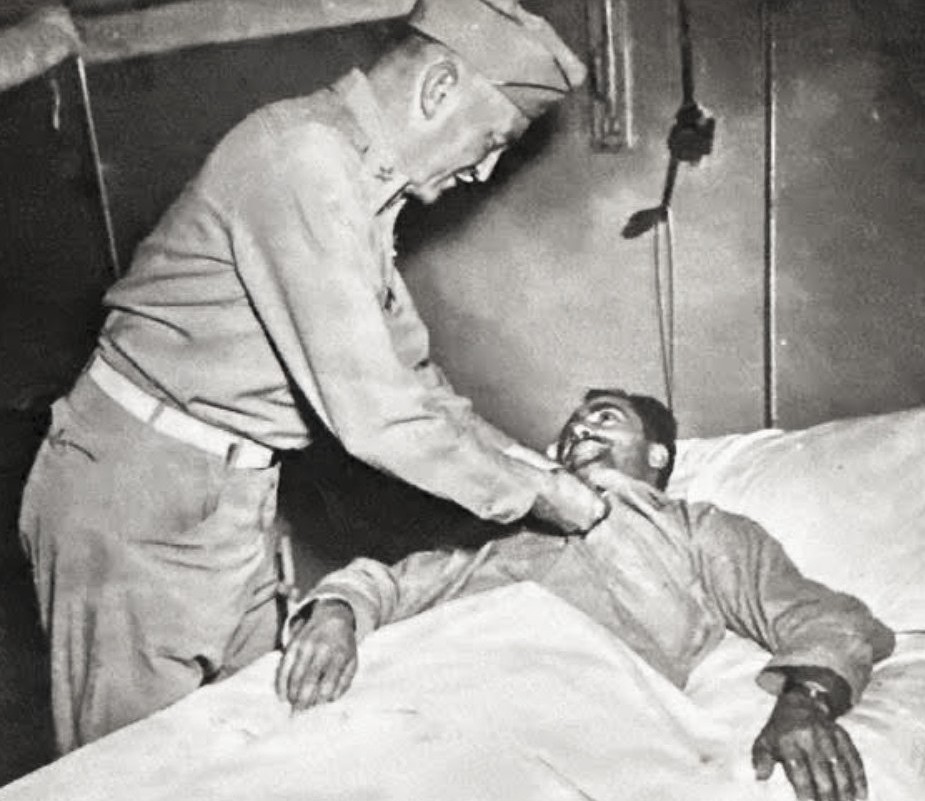
Dom Gallello has his Purple Heart decoration pinned while in a Sicily, Italy hospital bed, 1943.

32 Ocean Avenue, 1920s.
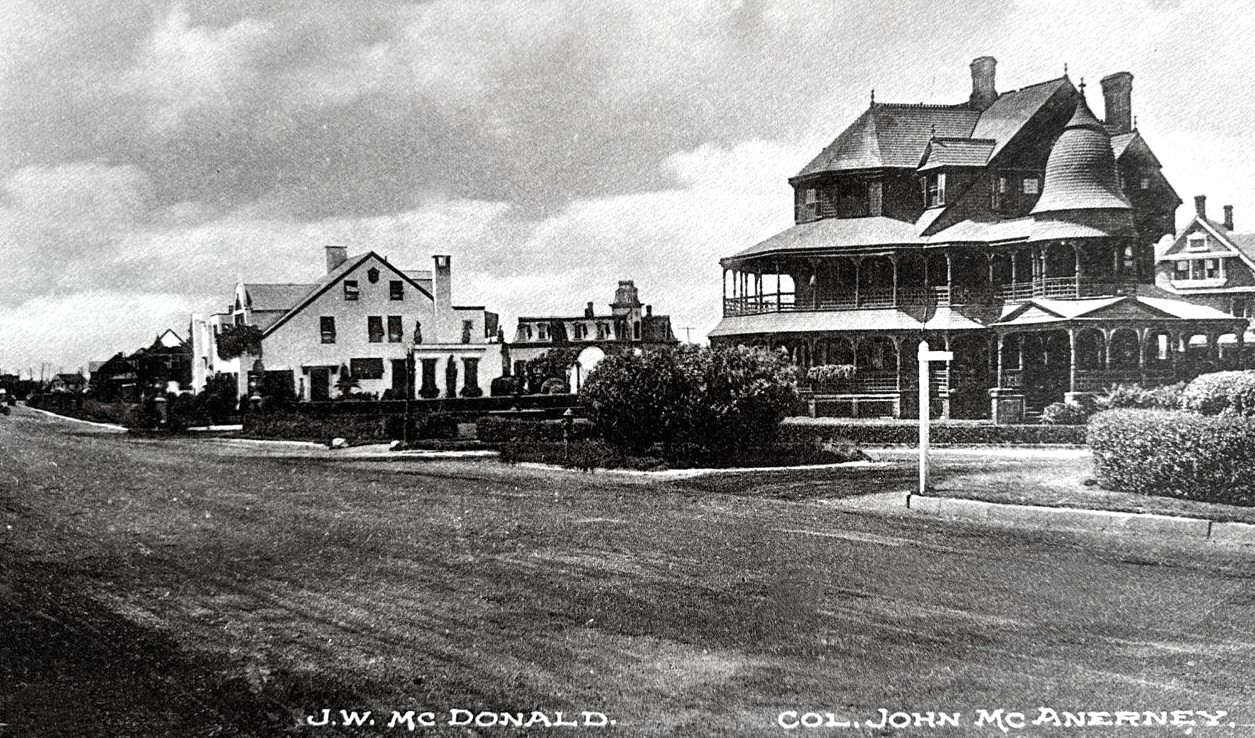
32 Ocean Avenue, 1920s.
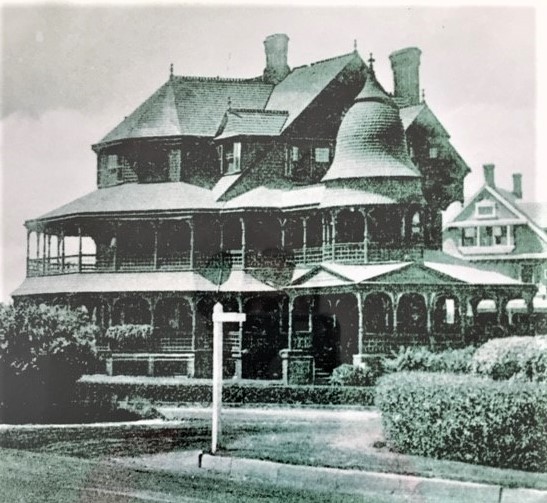
32 Ocean Avenue, 1920s.
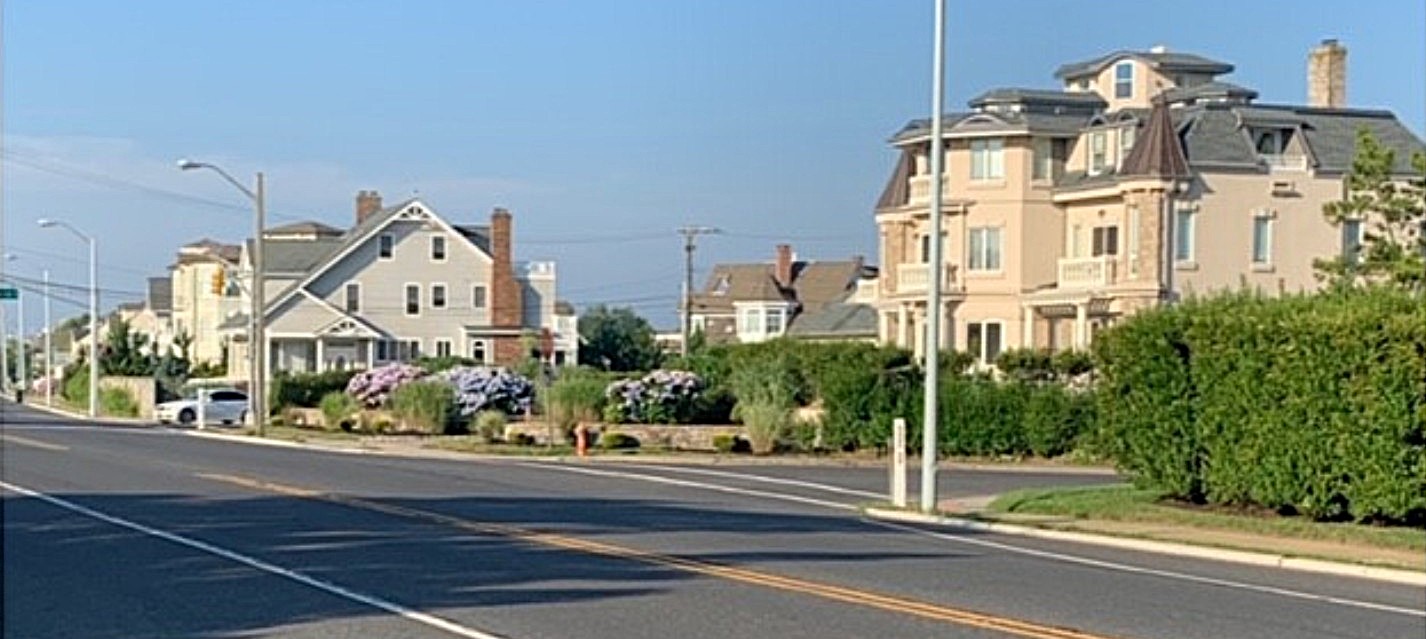
32 Ocean Avenue, 2000s.
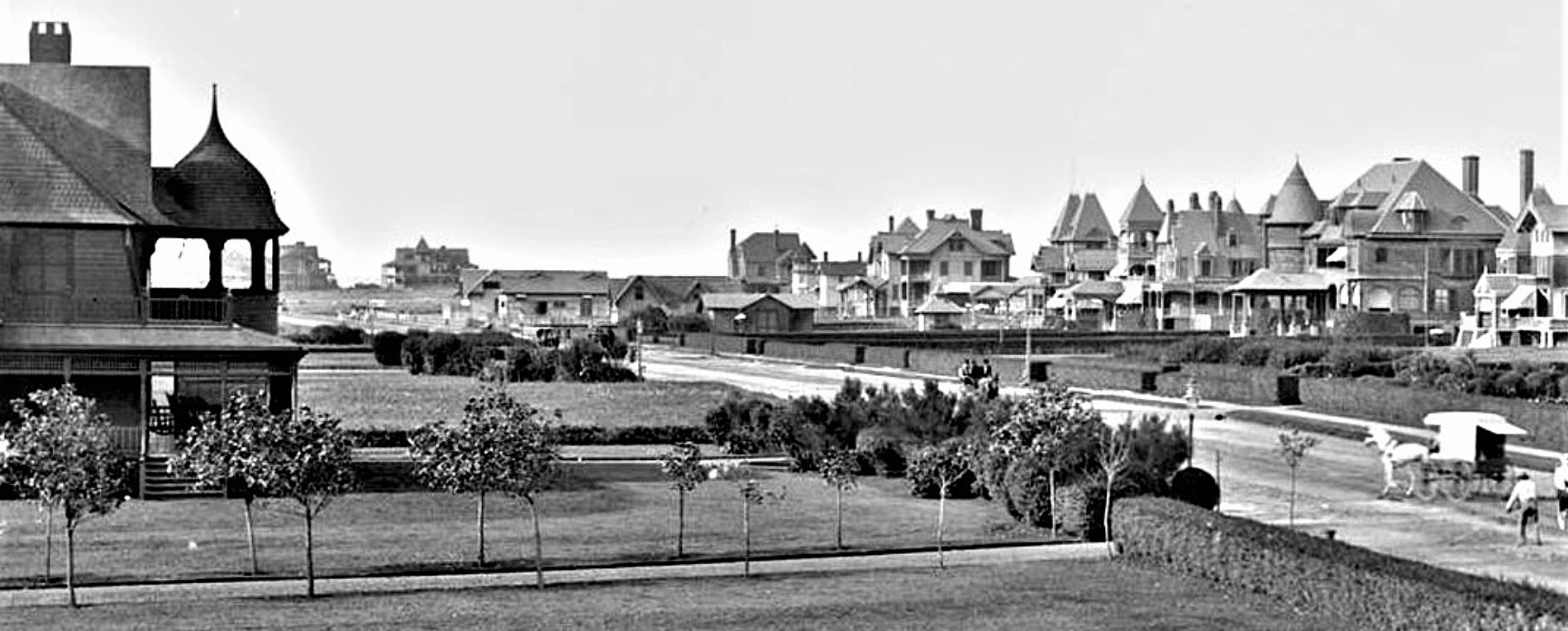
“High Society” — 32 Ocean Avenue (l) looking north with massive summer cottages along the coast, 1905.
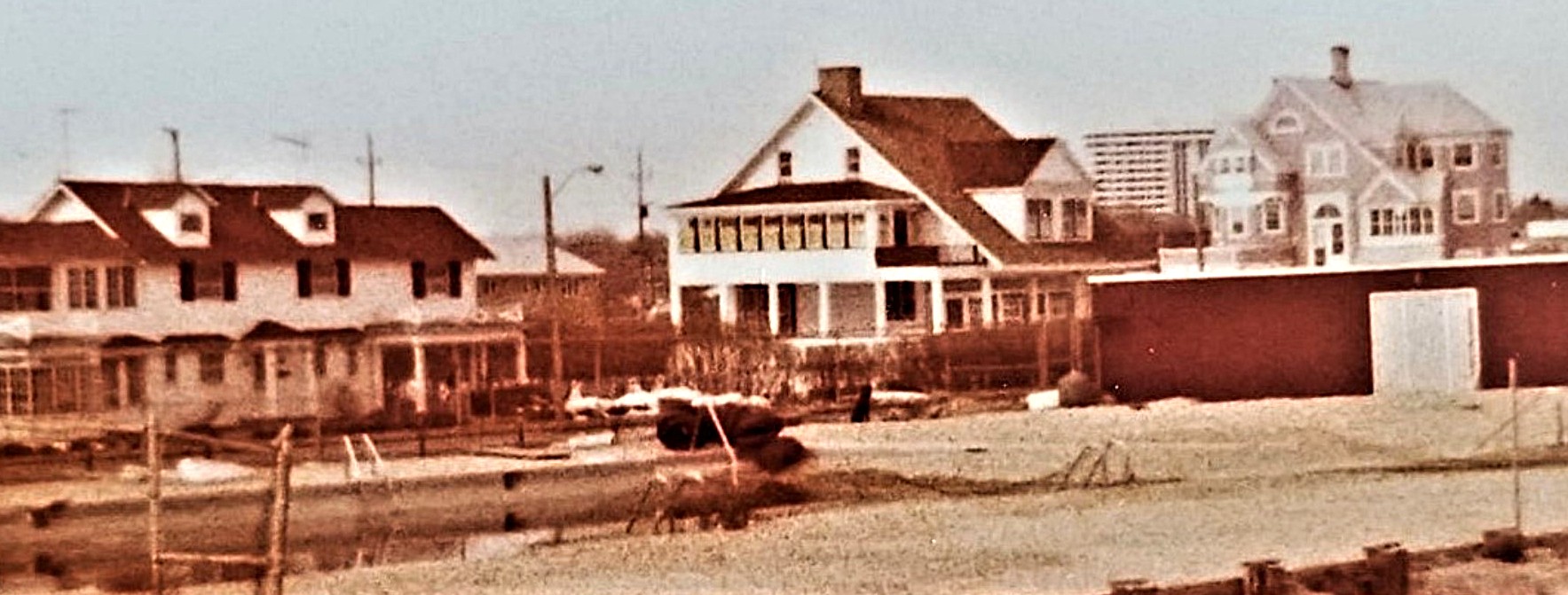
A Lot There — 32 Ocean Avenue (r) with the Channel Club Tower behind and damaged MBBP in the foreground, Winter 1978.
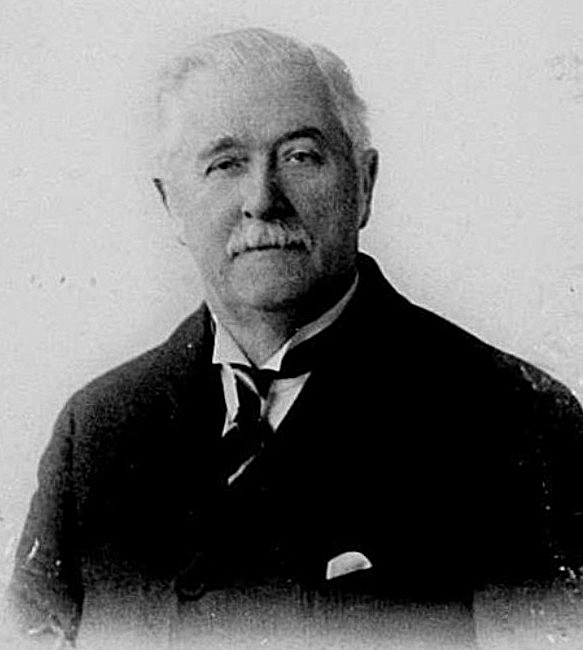
Edward I. Horsman, early 1900s.
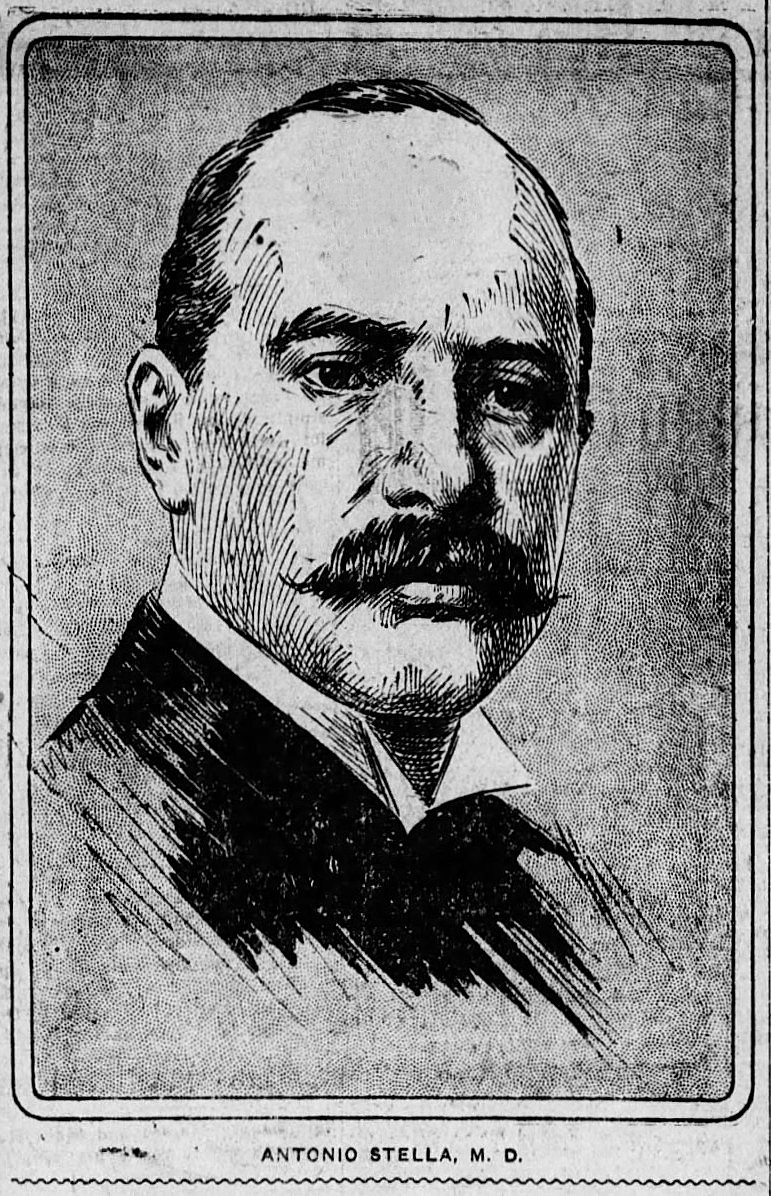
Dr. Antonio Stella, September 1911.
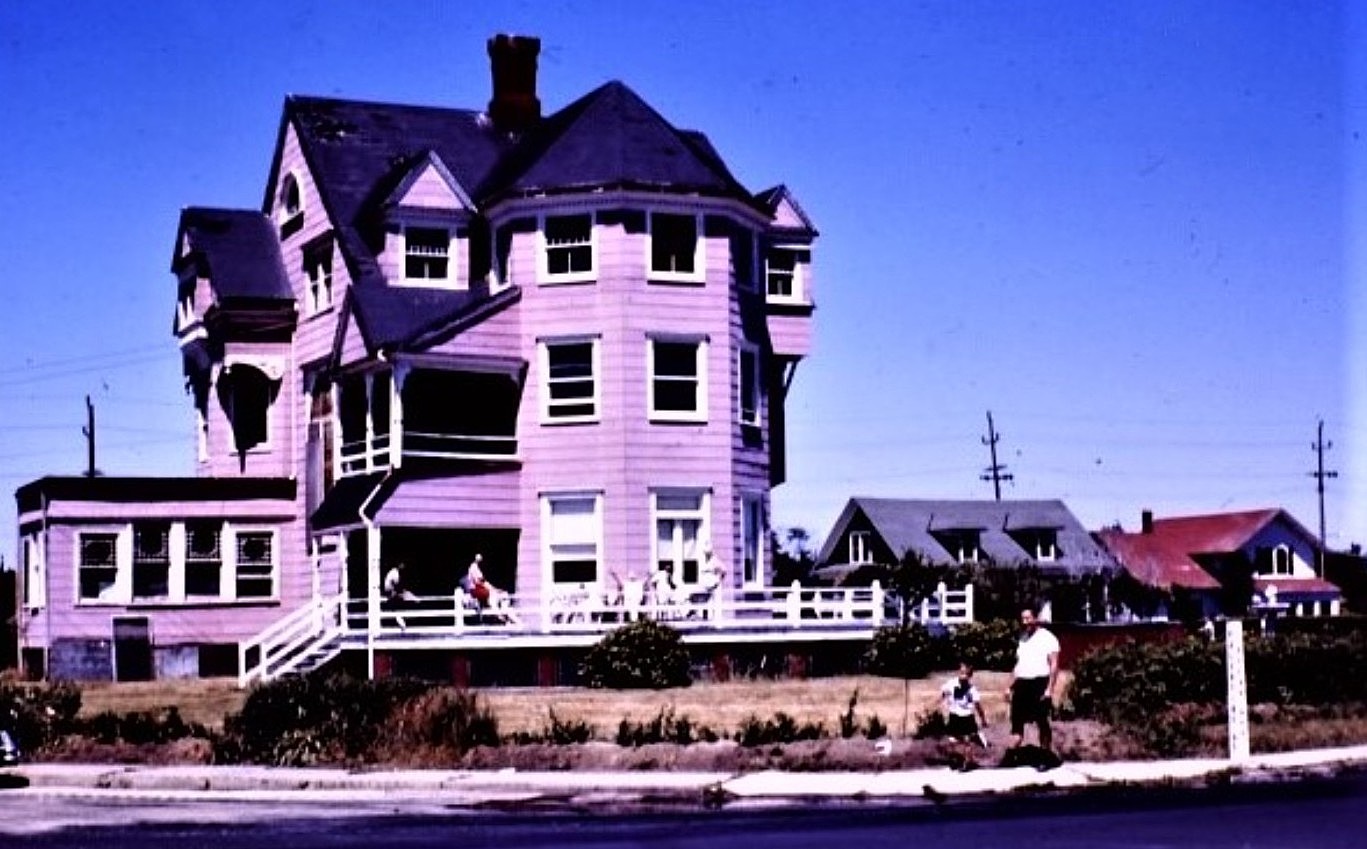
32 Ocean Avenue, early 1970s.

“Pink House” on Ocean Avenue by George Stave, 1981.
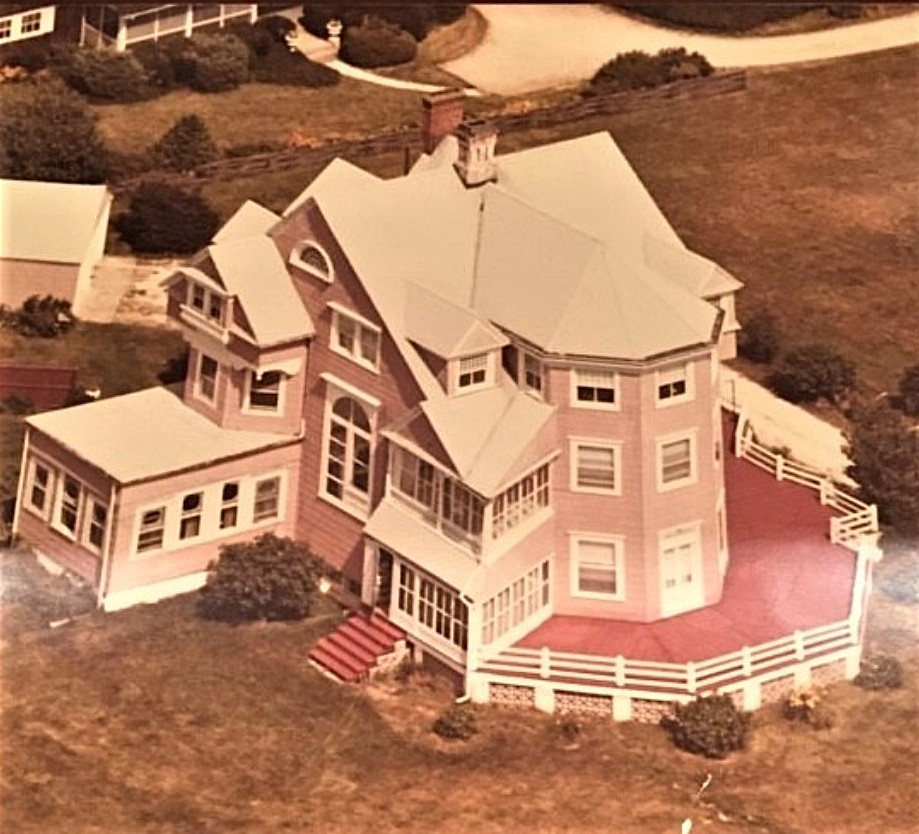
32 Ocean Avenue, early 1980s.