US Life-Saving Service in Sea Bright
“Heroes of the Jersey Shore” at Station #3 …
The US Life-Saving Service was a federal maritime rescue organization formed in 1878 to save shipwreck victims along dangerous coastlines. It was the direct predecessor of today’s United States Coast Guard. Revered as heroes of the Atlantic Coast — service members called “surfmen” — had a code: “you have to go out, but nothing says you have to come back.” Talk about hard work?
The New Jersey coast, including the waters off Sea Bright and nearby Long Branch, was a major shipping route and sandbars, storms, fog, and winter nor’easters frequently caused shipwrecks. The Sea Bright station (#3) helped cover a busy and dangerous stretch of coastline where vessels traveling to and from New York Harbor often ran aground. New Jersey built the most fife-saving stations (41). The first one ever (just a “few crude huts” in the beginning) was at Spermaceti Cove on Sandy Hook in 1848.
“US Life-Saving Service undertakings and deeds remain mostly unwritten; existing chiefly in the legends of the coast.”
—Red Bank Daily Register, September 1937.
Reverend as “America’s Greatest Peacetime Heroes,” a station crew typically included: the Keeper (station commander) and several surfmen (rescuers). Among their duties were continuous beach patrols during storm season, maintaining rescue equipment and boats, drilling constantly to prepare for emergencies, and responding immediately to shipwreck distress signals. Surfmen often lived at the station and had to be ready to launch rescues within minutes, sometimes in freezing water and hurricane-force surf. By 1896, surfmen were working 10 months a year and paid $90 per month plus board.
Working day and night, in all weather, using oddly-named equipment (like a Coston flare, beach-apparatus cart, lifeboat, Lyle Gun and the breeches buoy), life-saving crews often risked their own lives in dangerous maritime rescues. The true measure of their daring performance is amazing — from 1871 to 1914, they aided 28,000+ vessels, rescued 178,000+ persons, and had under 1,500 casualties. That’s real “life-saving.”
In 1871, the US Life Saving-Service opened Station #3 in Sea Bright. The Red House-type design structure was “close to the water’s edge.” Alfred B. Bibb did the design for the service. In a constant battle against storms and high tides, the building was moved at least twice — in 1880 and 1891.
Charles West was the first Station Keeper in 1872. Captain Abner H. West followed him in 1874 and Captain Alvin Mount took over in 1899 and served until 1914. It became a US Coast Guard station (#99) in 1915 when the life-saving service was absorbed into the guard. Deactivated in March 1937, the USCG abandoned the property in May 1944. Today, it’s a private home on Ocean Avenue in North Beach.
• US Life-Saving at Takanassee Lake #5 — HERE
• US Life-Saving at Galilee #4 — HERE
• “Gold Heroes” in Galilee — HERE
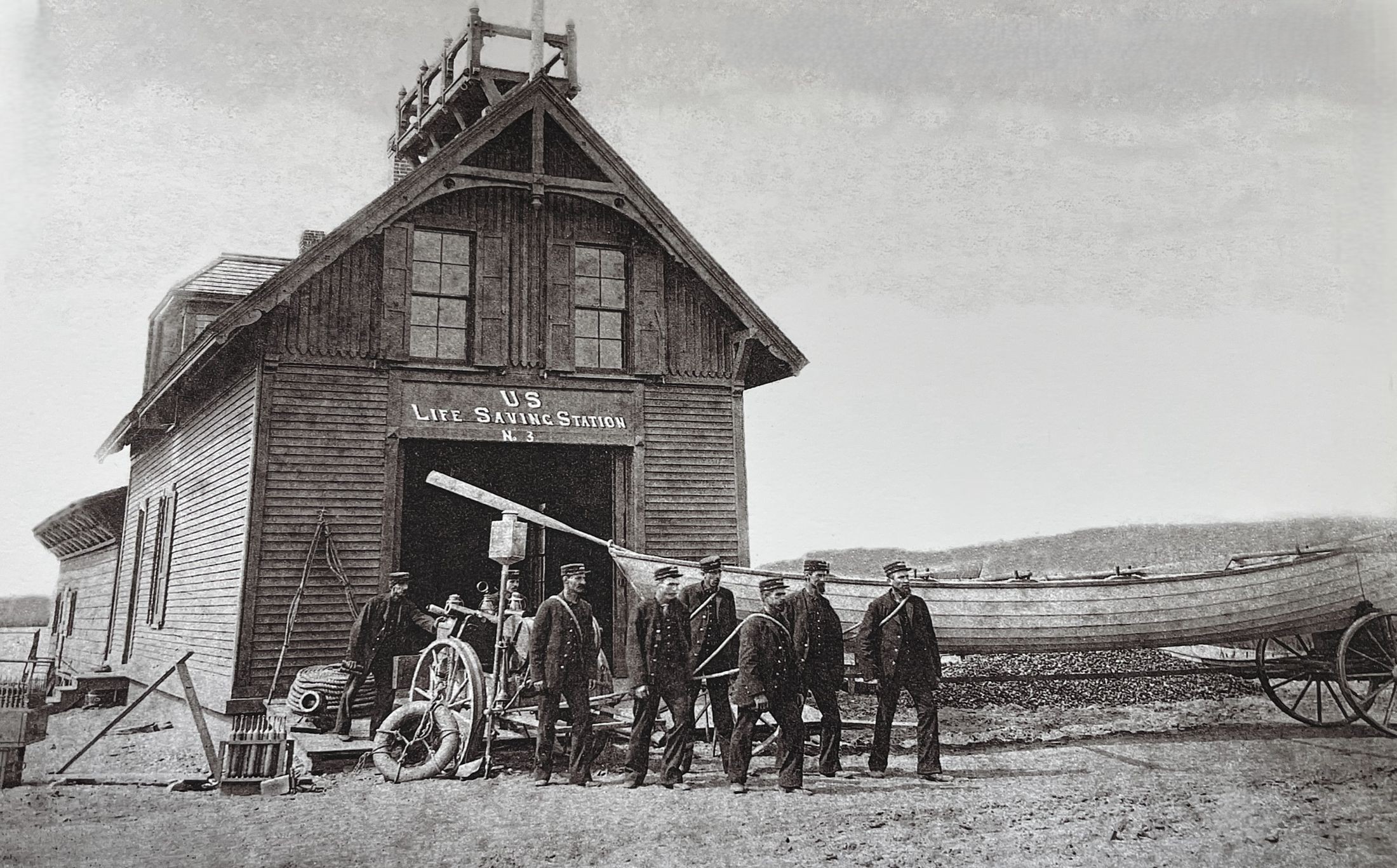
US Life-Saving Service Station #3 at Sea Bright, 1880.
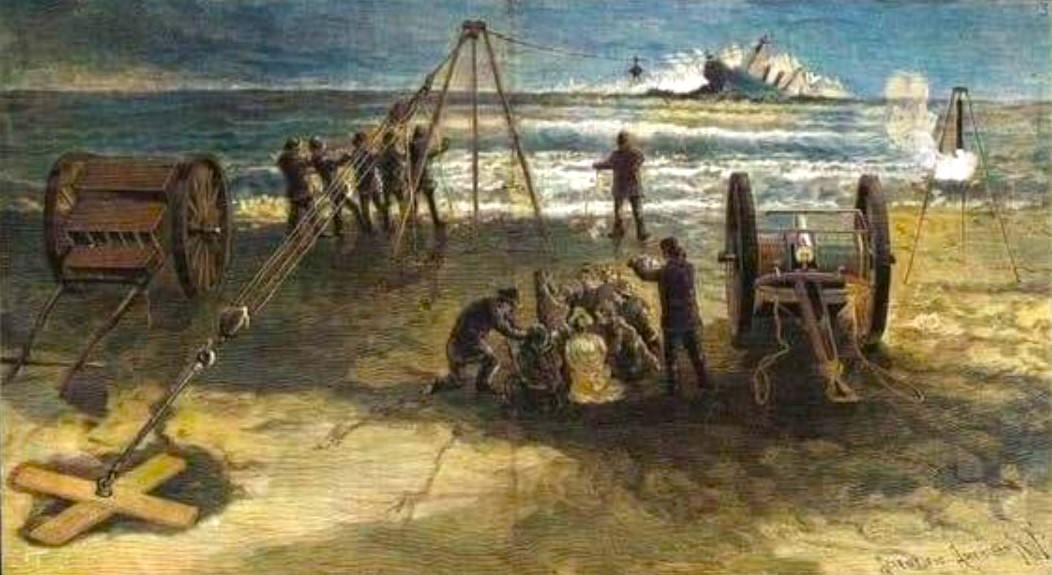
Surfmen in action at Sea Bright, Scientific American 1891.
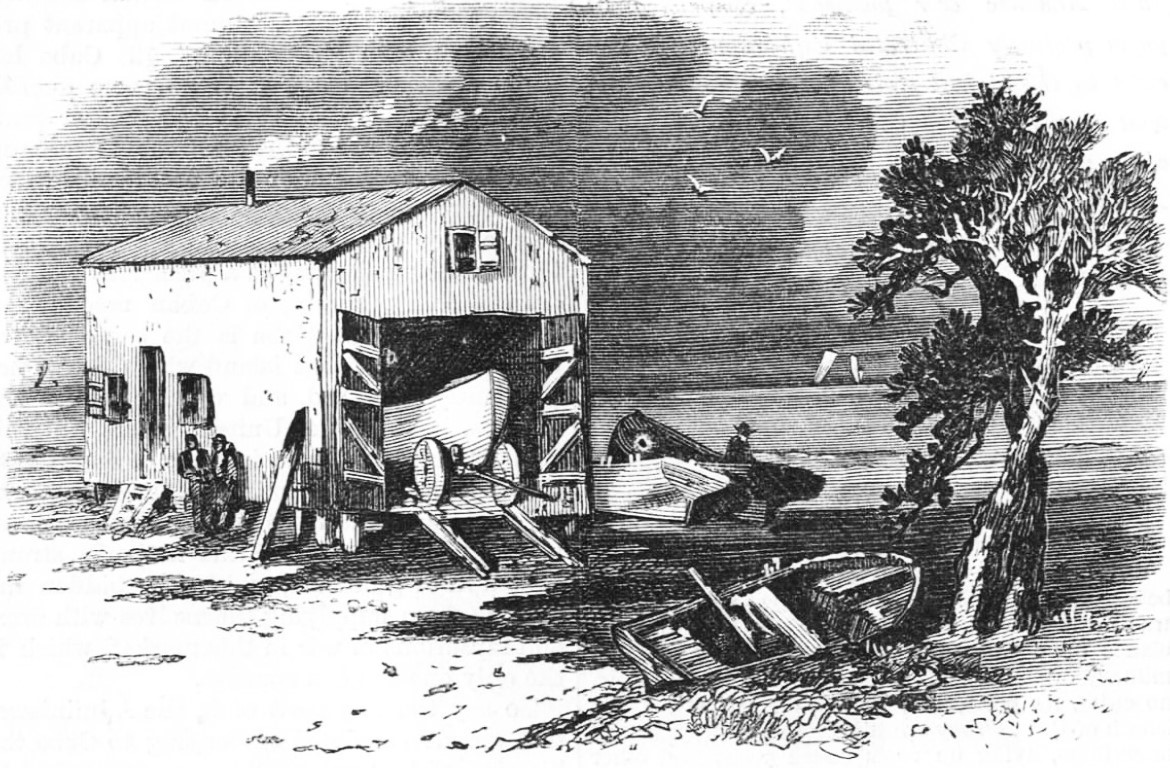
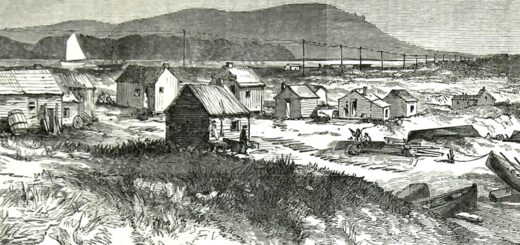
“Lifeboat Station at Sea Bright, NJ” Frank Leslie’s Illustrated Newspaper, January 1873.

US Life Saving Service Station #3, Long Branch Daily Record, January 1905.
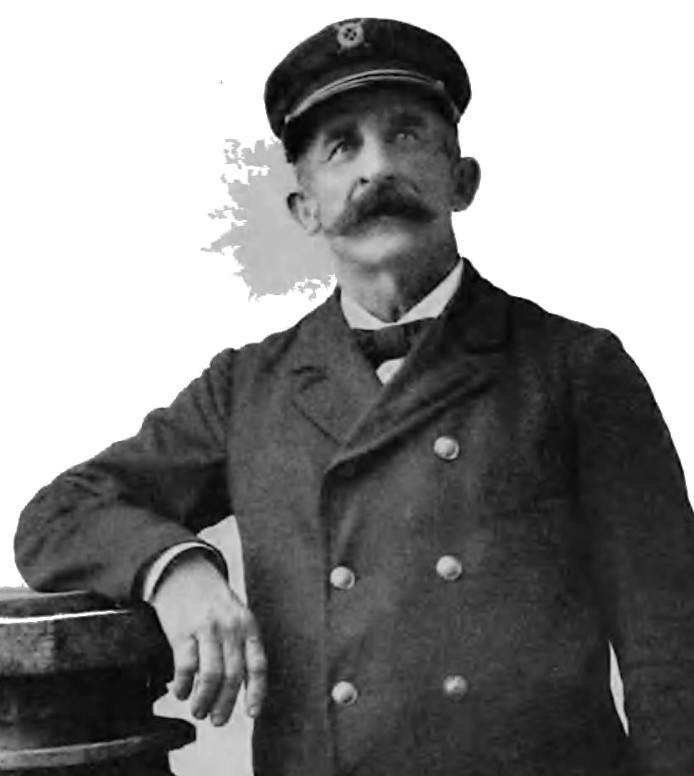
Captain Abner H. West, Station Keeper at Sea Bright from 1874 to 1899. He was born in North Long Branch in 1842.
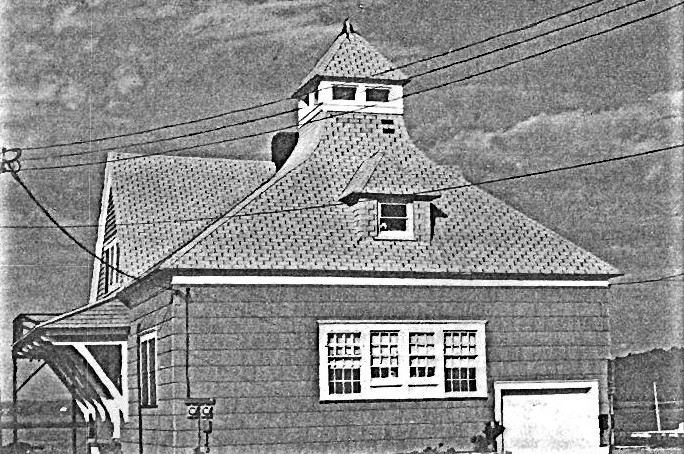
Old US Life-Saving Station #3 on Ocean Avenue, 1980.
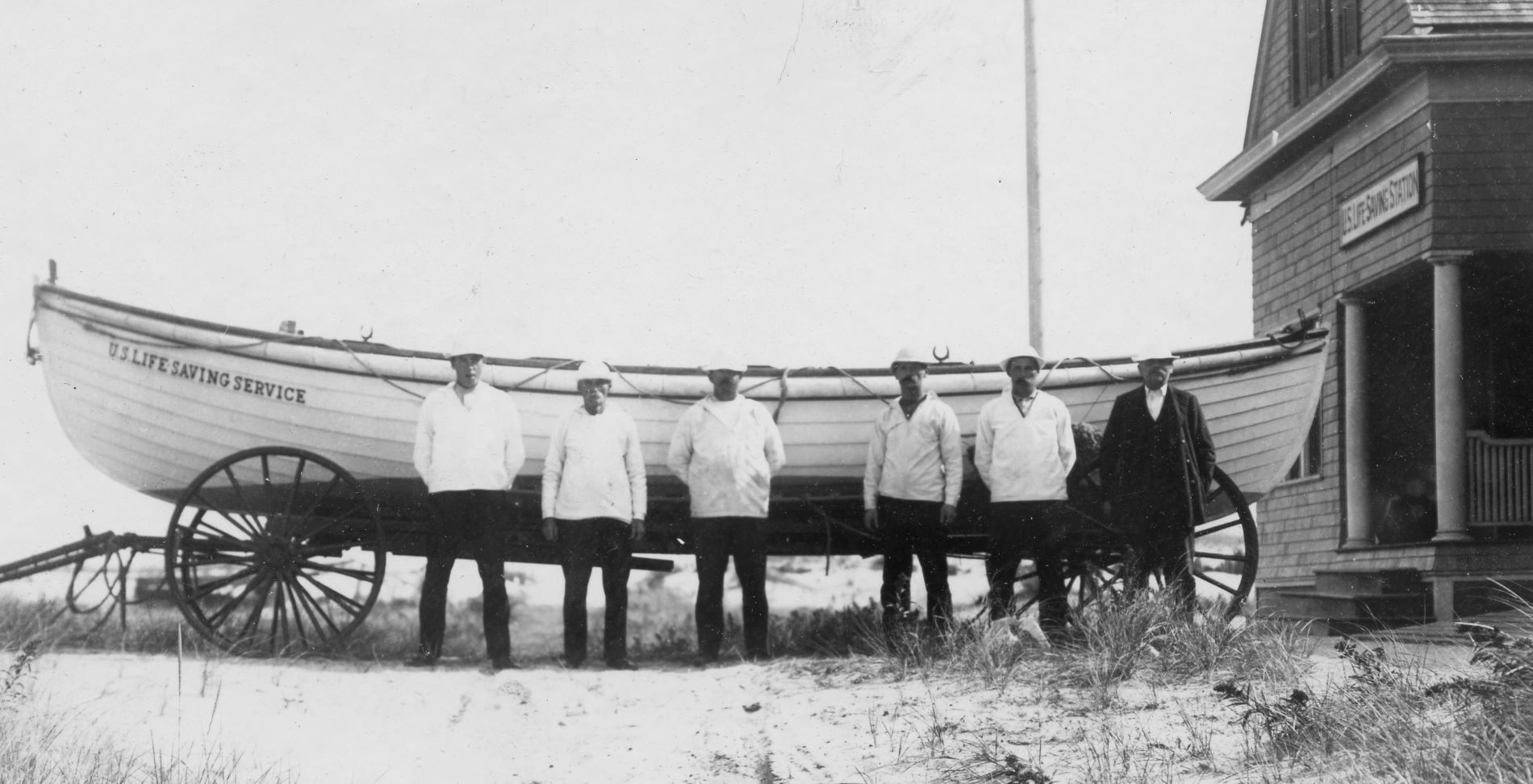
US Life-Saving Service crew and boat at Sea Bright, early 1900s. It was the Sea Bright surfmen who had the first shot at helping the infamous New Era, as it slid down the NJ coast on its way to doom in 1854 — MORE INFO.
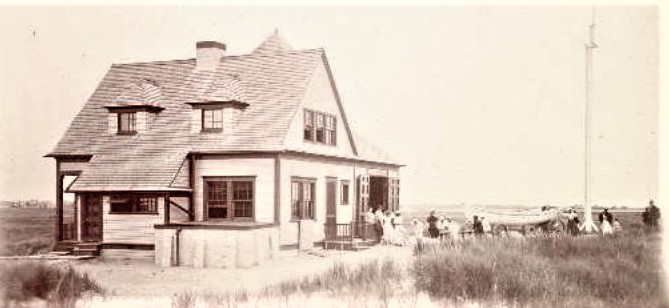
Station #3 at Sea Bright in its early days, 1876.
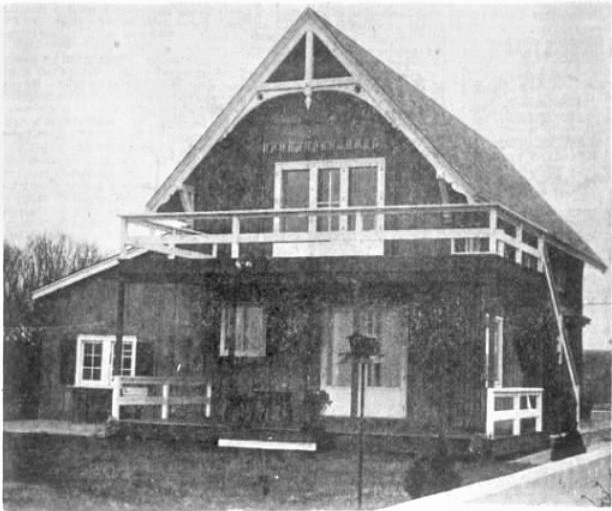
Old life-saving station as a private home, 1973.
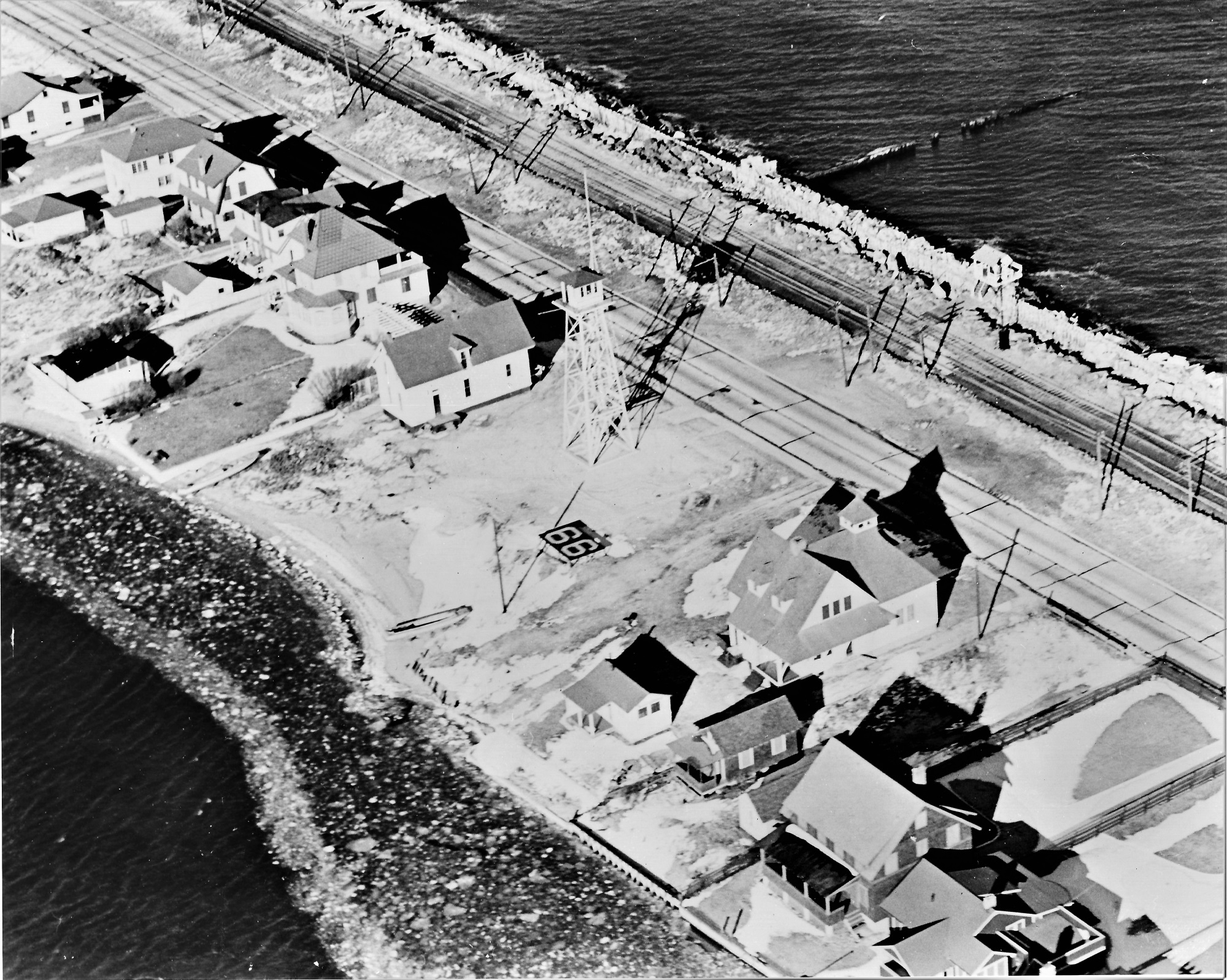
Aerial image of area around Station #3, early 1900s. In 1911, a 50-foot steel observation tower with 25-foot flag staff was added at the station.
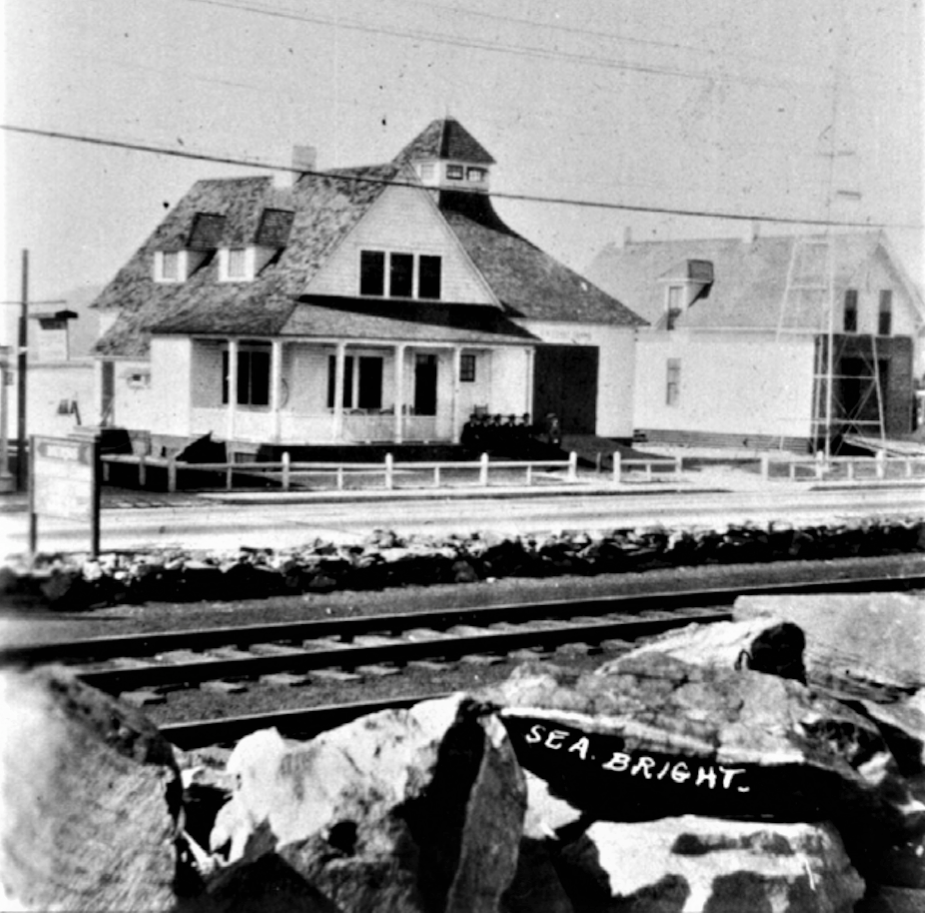
Station #3 at Sea Bright, early 1900s.
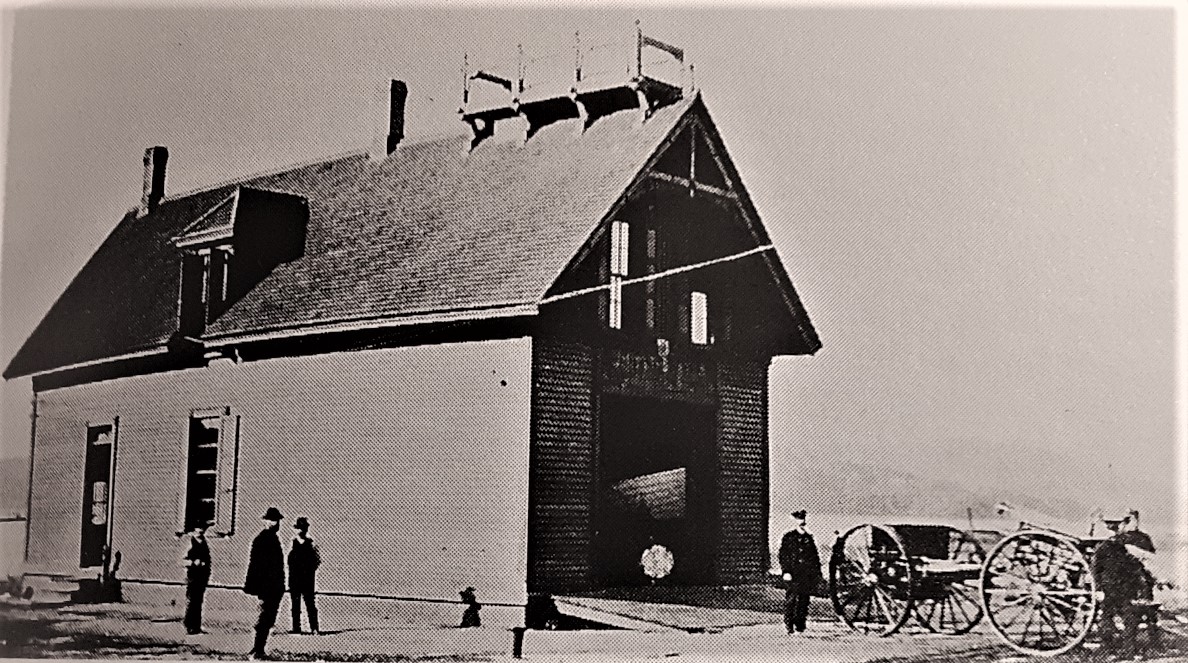
Station #3 at Sea Bright, 1880s.
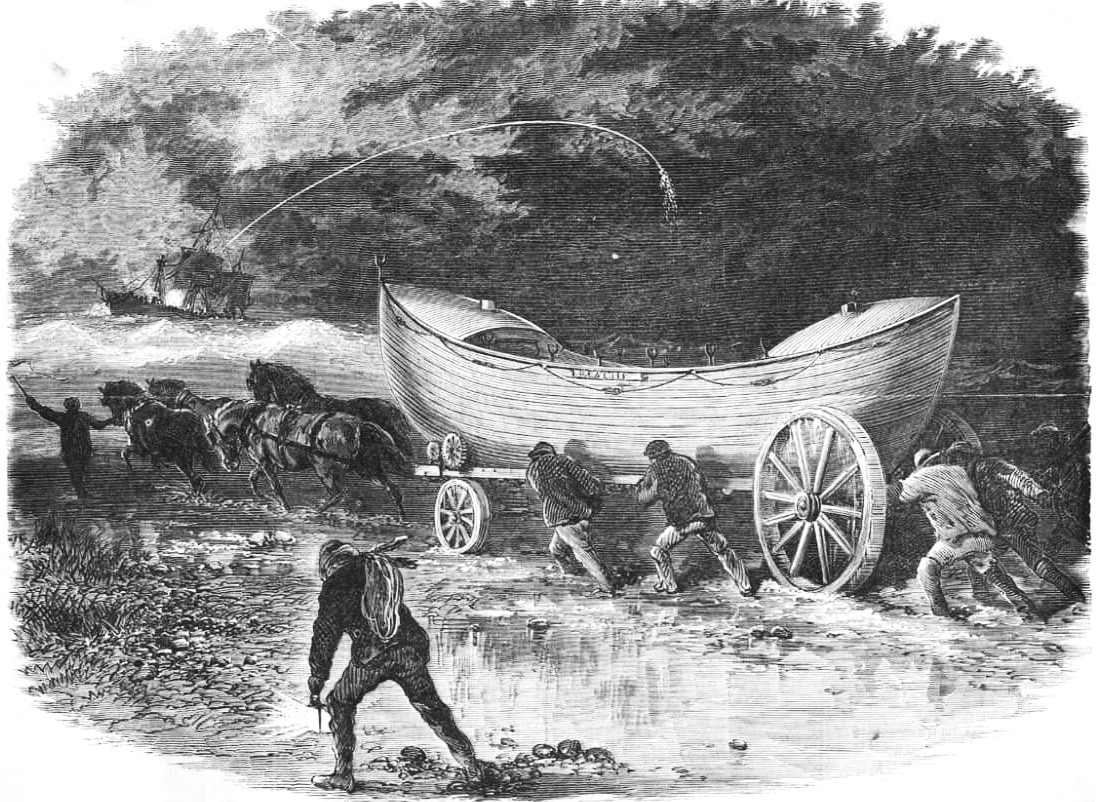
Station #3 surfmen readying for a shipwreck rescue operations. Frank Leslie’s Illustrated Newspaper, January 1873.

Inside Station #3 at Sea Bright from Frank Leslie’s Illustrated Newspaper, 1873.
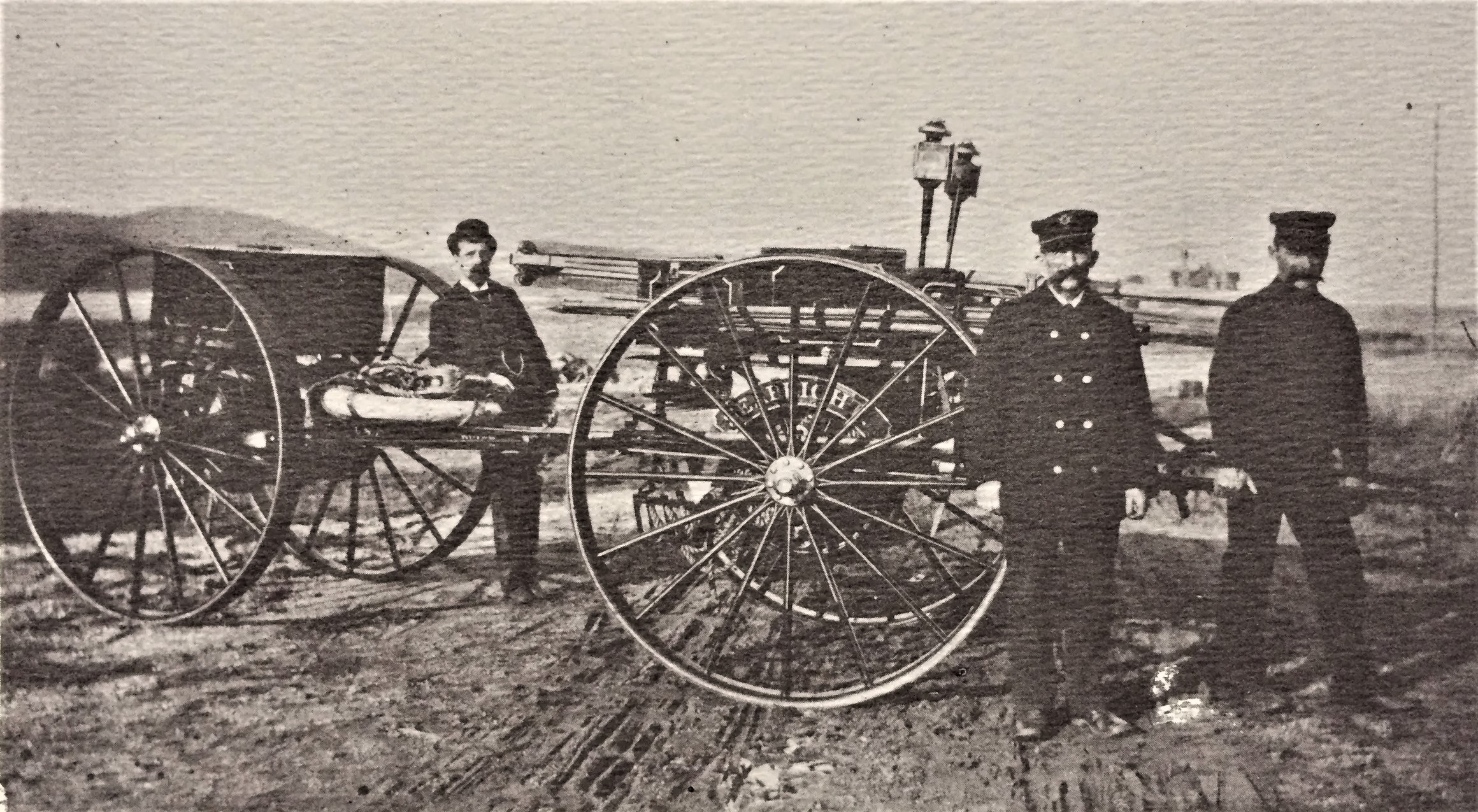
Station #3 at Sea Bright crew & equipment, 1885.
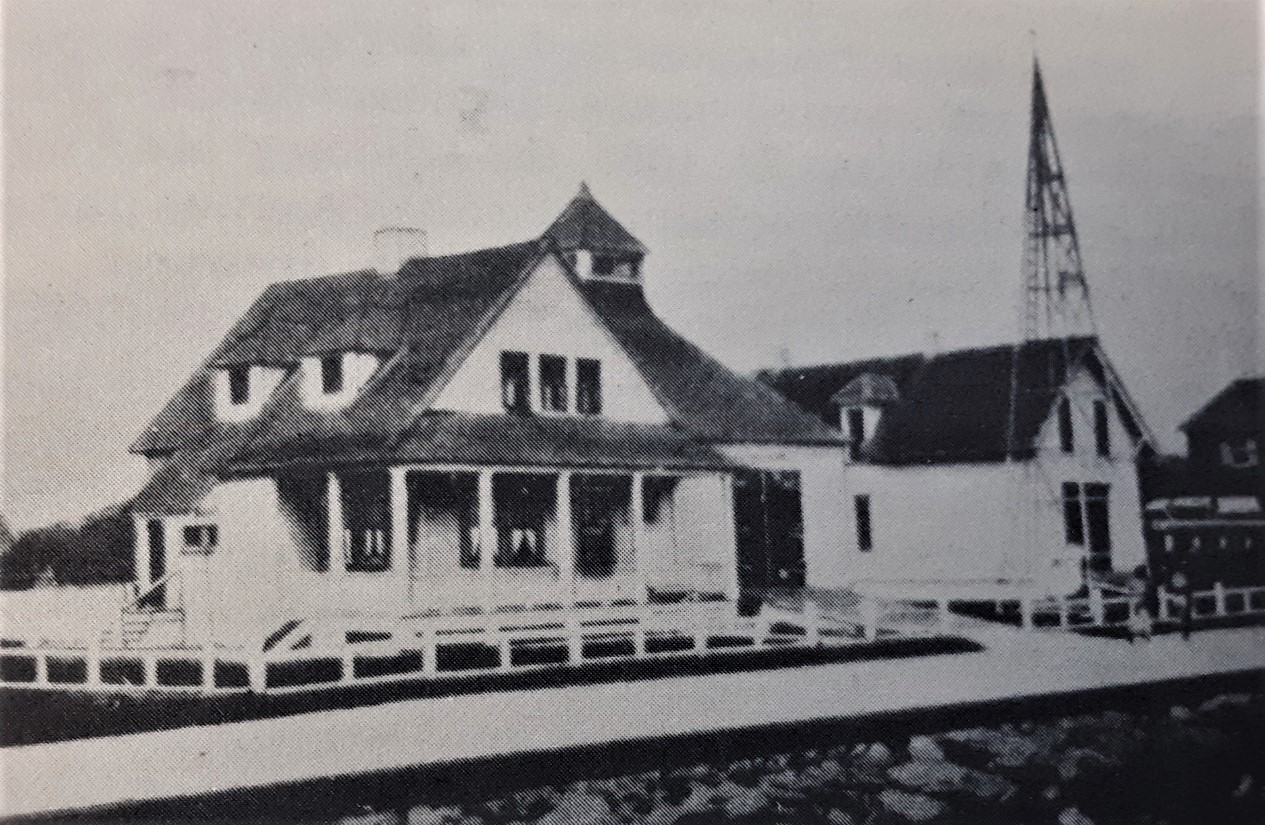
Station #3 at Sea Bright, 1920s.
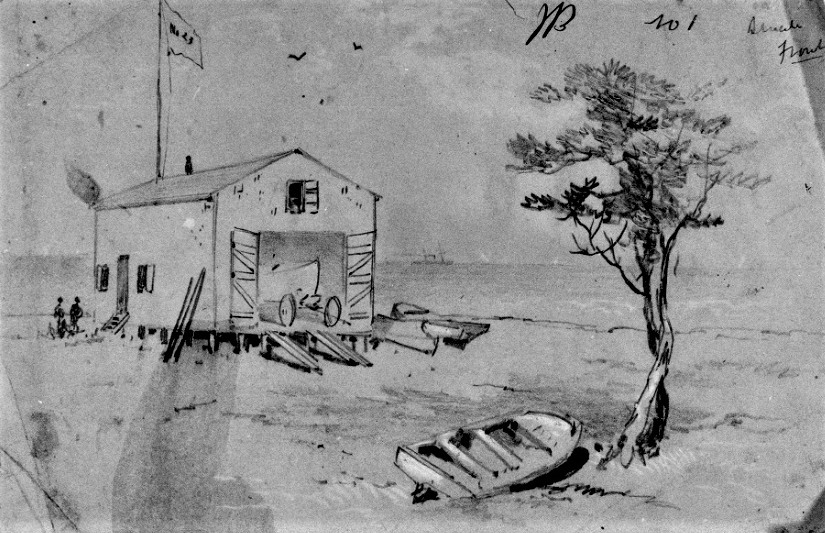
“Lifeboat Station at Seabright NJ” sketch by Joseph Becker, late 1870s.
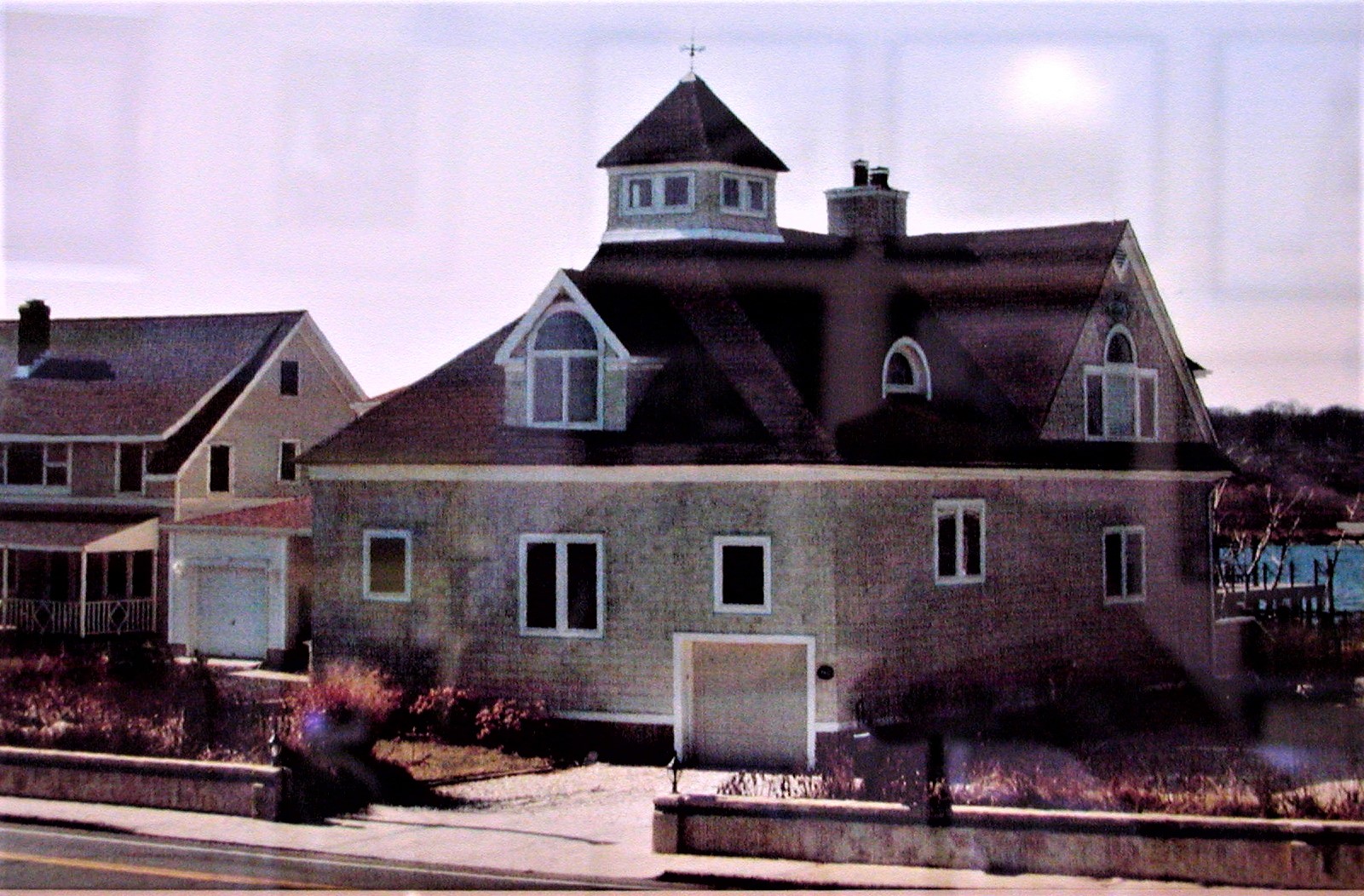
Station #3 at Sea Bright, 2002. Today’s it’s a private home.
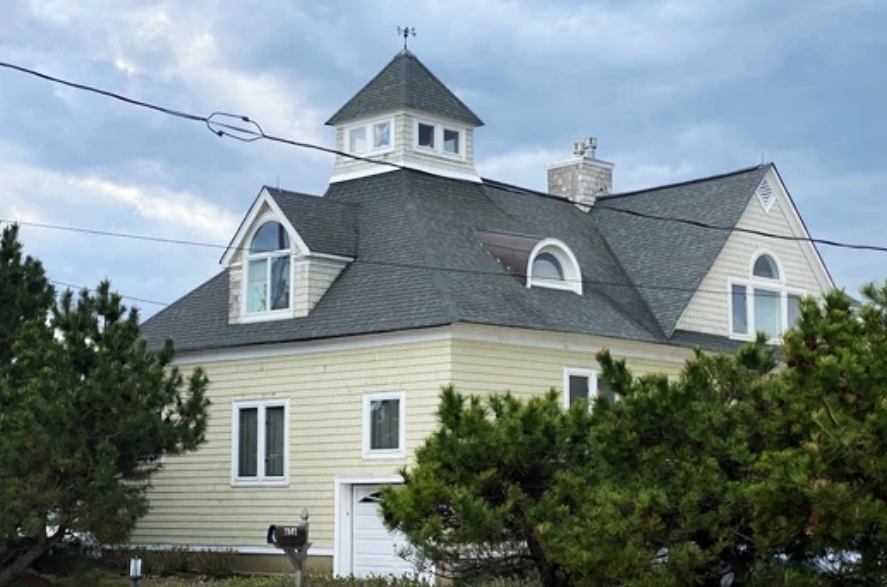
Station #3 at Sea Bright, 2022.
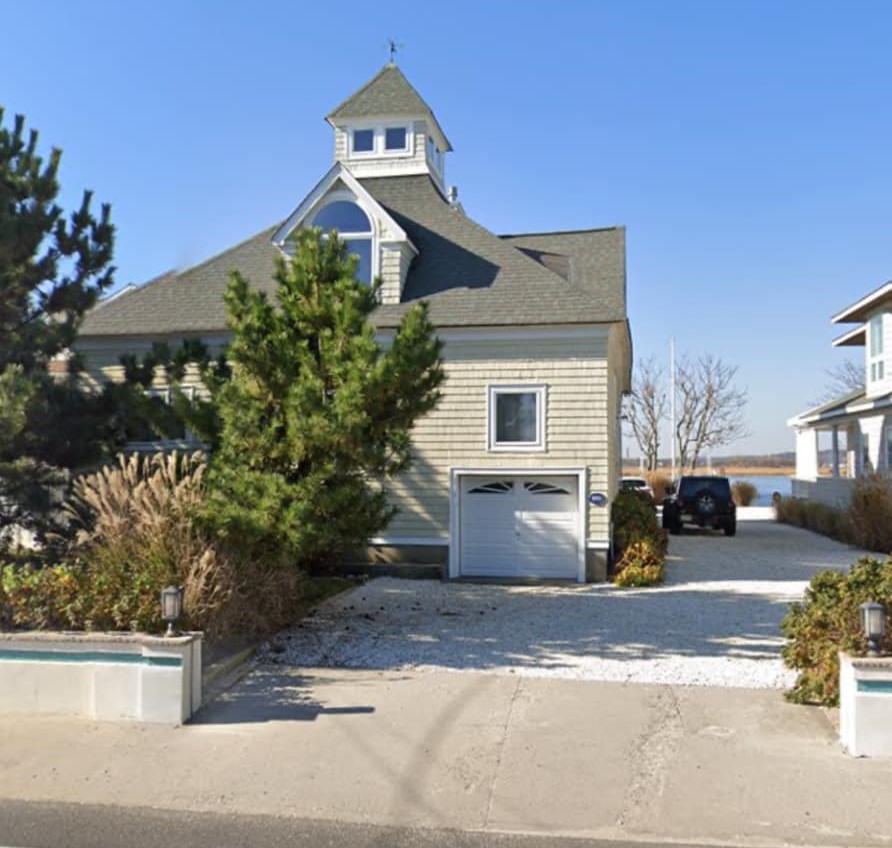
Station #3 at Sea Bright, 2024.
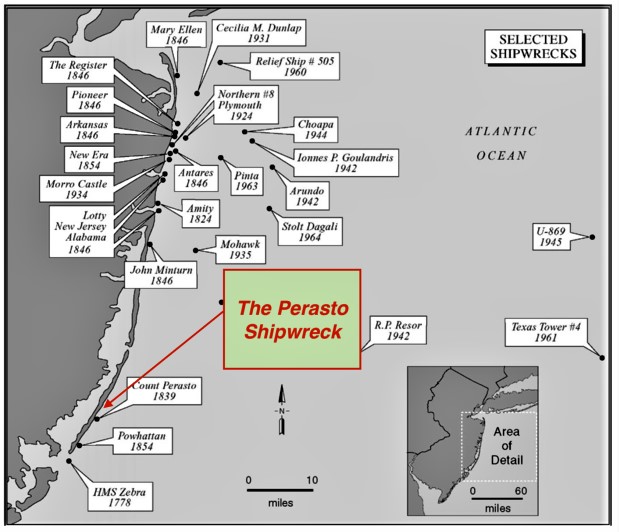
Map of old shipwrecks near Sea Bright.
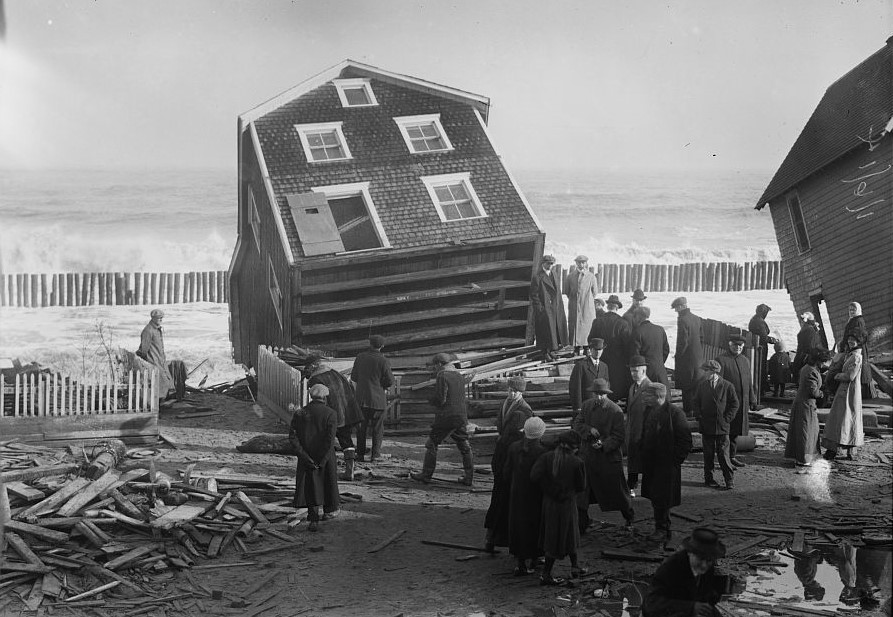
Tipping Point — Major storm damage along the Sea Bright coast, 1903.
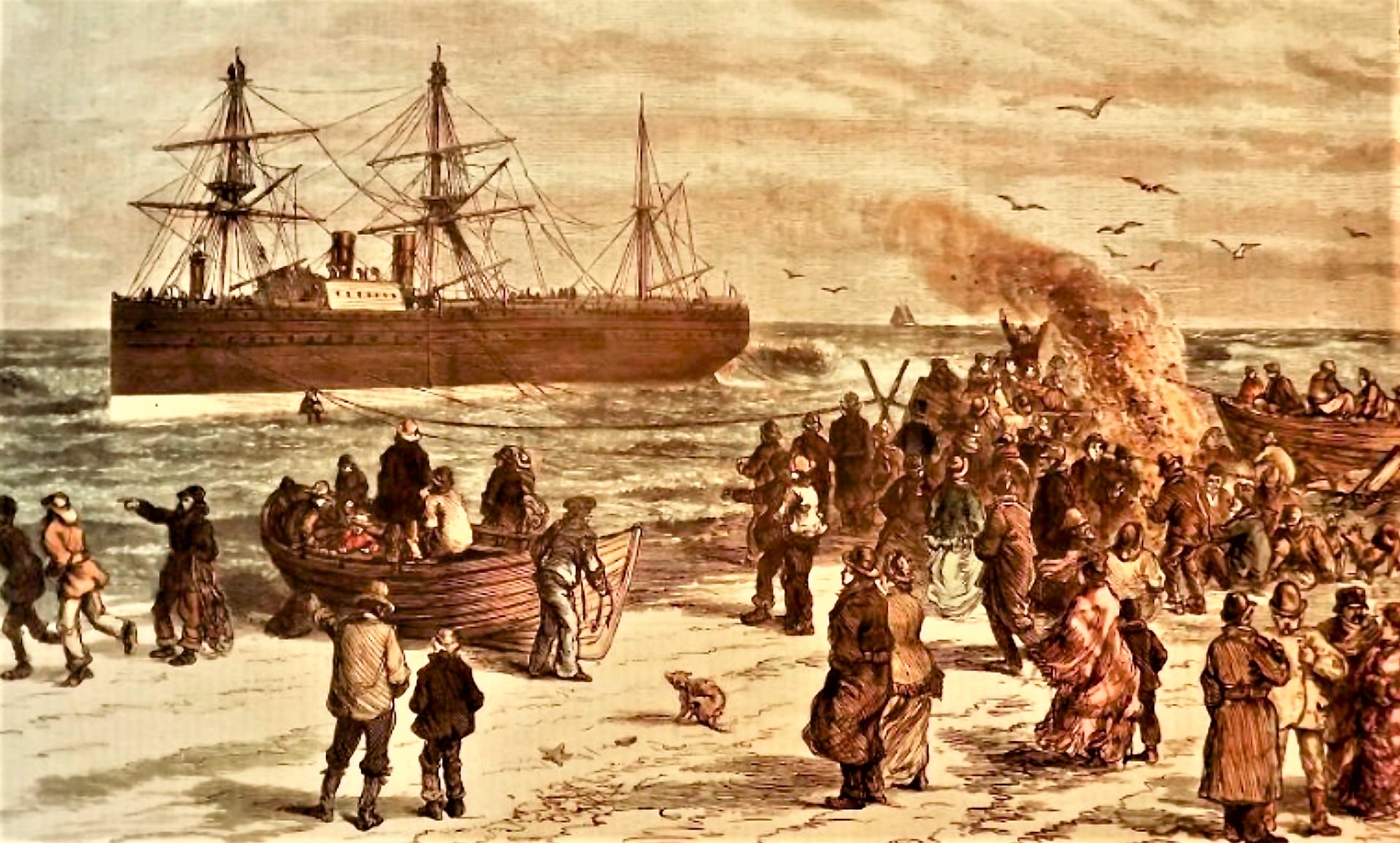
Wreck of the French steamer-ship “Amerique” off Sea Bright, January 1877. Members of the US Life-Saving Service, Stations #3 and #4 helped with rescue efforts.
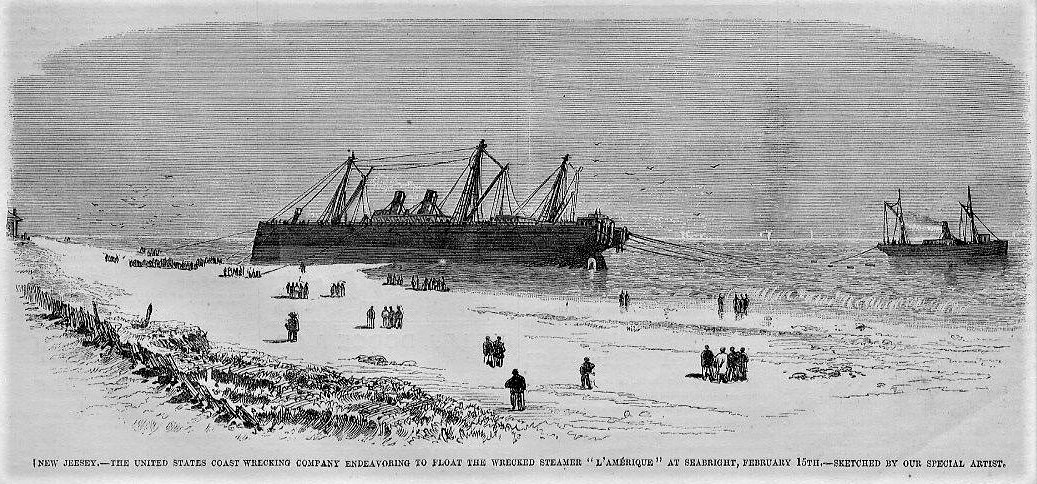
Salvage of the wrecked steamer ship L’Amerique in SB, 1877.
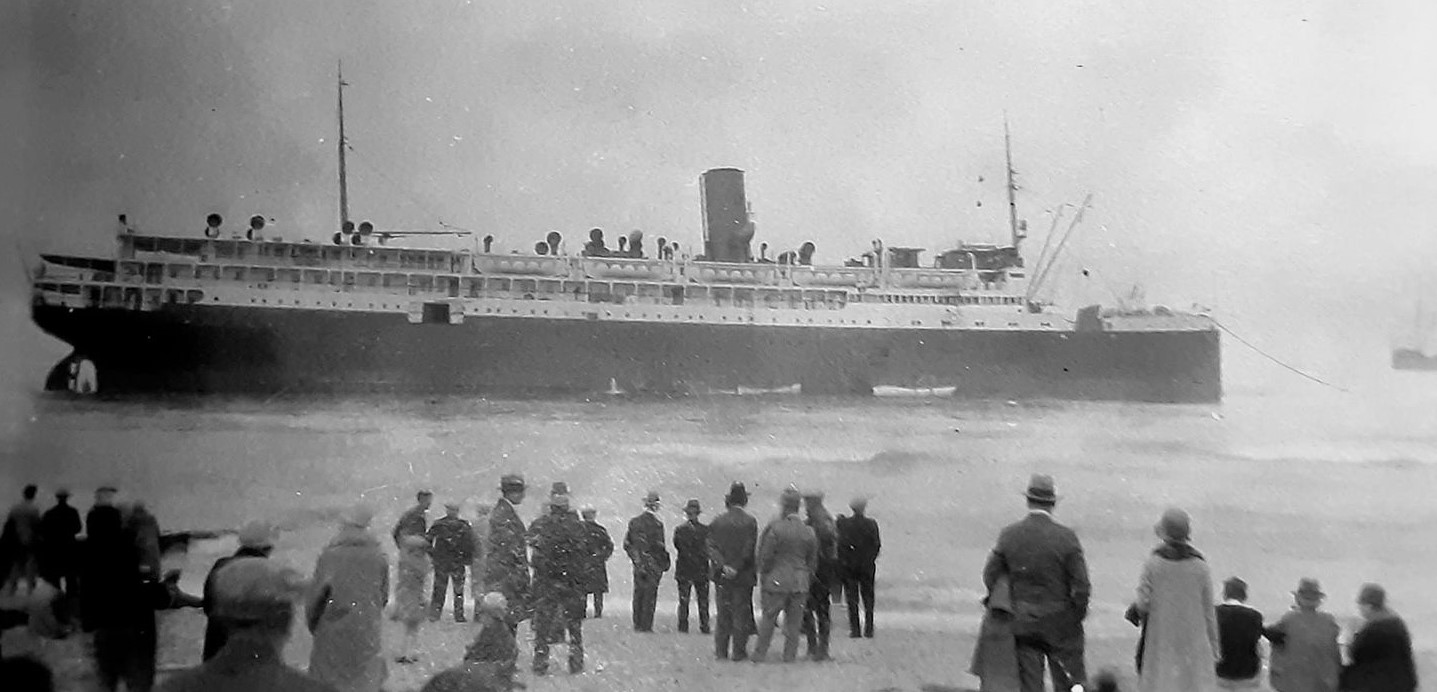
SS Mohawk run aground off Normandy Beach in Sea Bright, May 1928. On route from Brooklyn to Florida, the 450-seat passenger liner collided in the fog with the steamship, Jefferson; 83 people were evacuated to shore near the Normandie Hotel.

Grounded — SS Mohawk off Sea Bright, May 1928. Clyde Mallory Line was the owner and J.W. McKenzie was captain. More local sea drama awaited the ship. In January 1935, only four months after the burning wreck of the Morrow Castle claimed 137 off Asbury Park, the Mohawk collided with another vessel (The Talisman) off nearby Sea Girt and was sunk losing 46 souls. The Morrow Castle and Mohwak were both Ward Liners by then.